SustainAM - Sustainable Additive Manufacturing
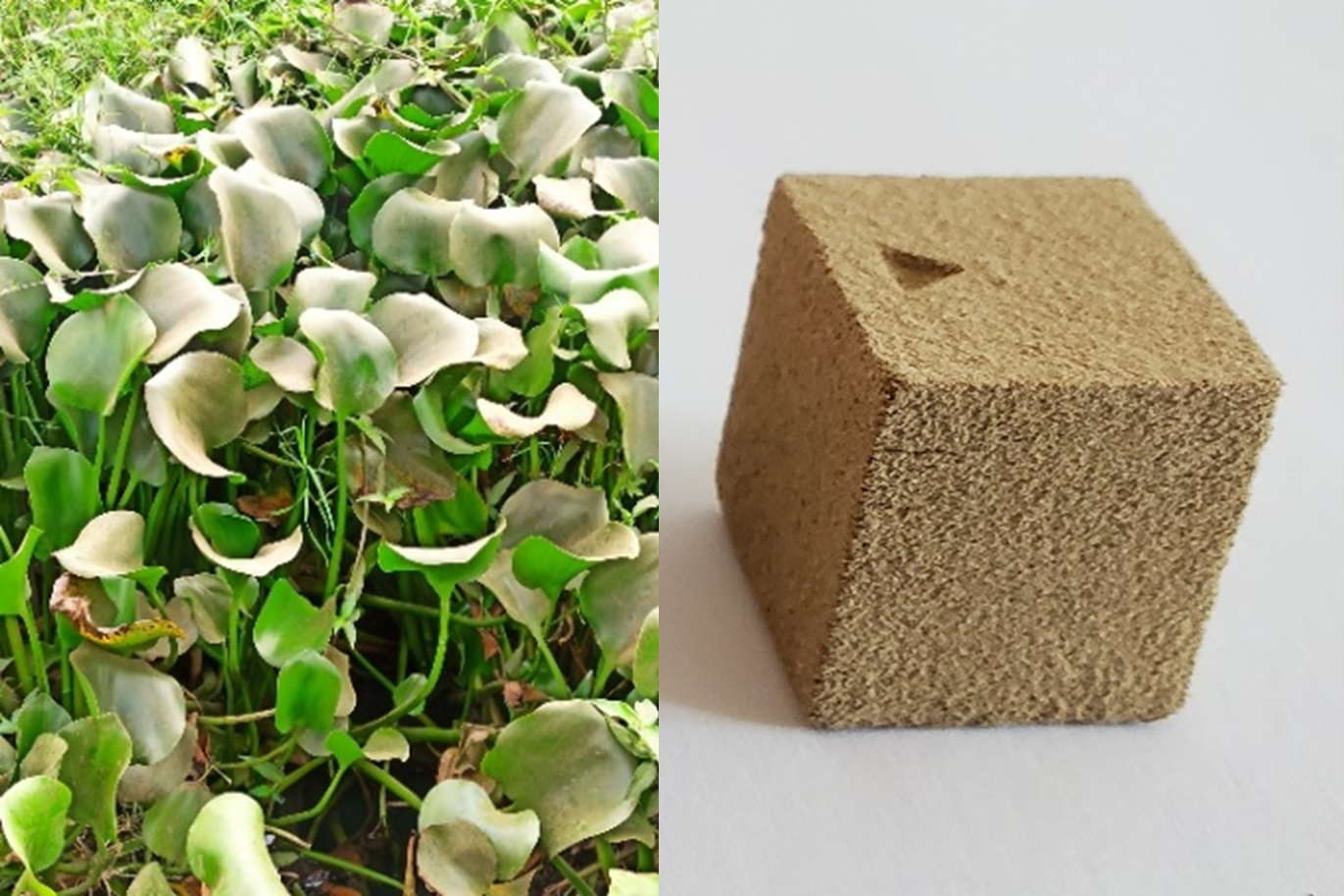
The main objective of SustainAM is to utilise locally available, renewable and biocompatible resources (ideally waste materials) for additive manufacturing technologies in combination with postgraduate education to simultaneously promote the circular economy and economic growth in Kenya. Taking into account the specific requirements, the most suitable AM processes were selected: FFF (Fused Filament Fabrication), Paste Extrusion (MEX-CRB) and Binder Jetting are addressed.
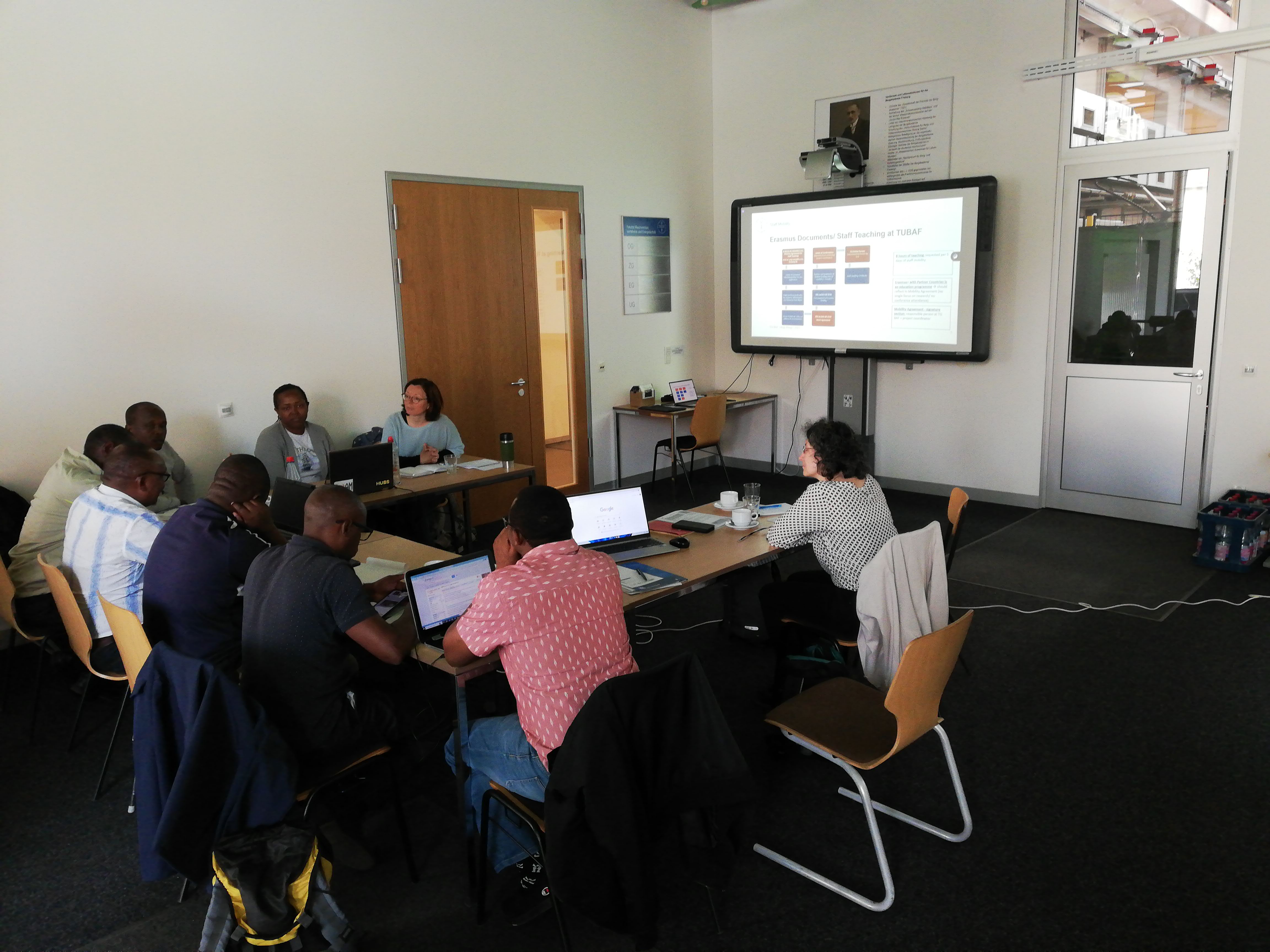
The use of biogenic residues in additive manufacturing has been little addressed so far. The main focus was now on the selection and customisation of the (bio-based) material, process control and the evaluation of the product properties of the manufactured parts. The project has brought together young scientists and established researchers to promote an active exchange and multiply the impact of the scientific results.
Research focus
- Preliminary investigation and testing of bio-based residues in the aforementioned AM-processes
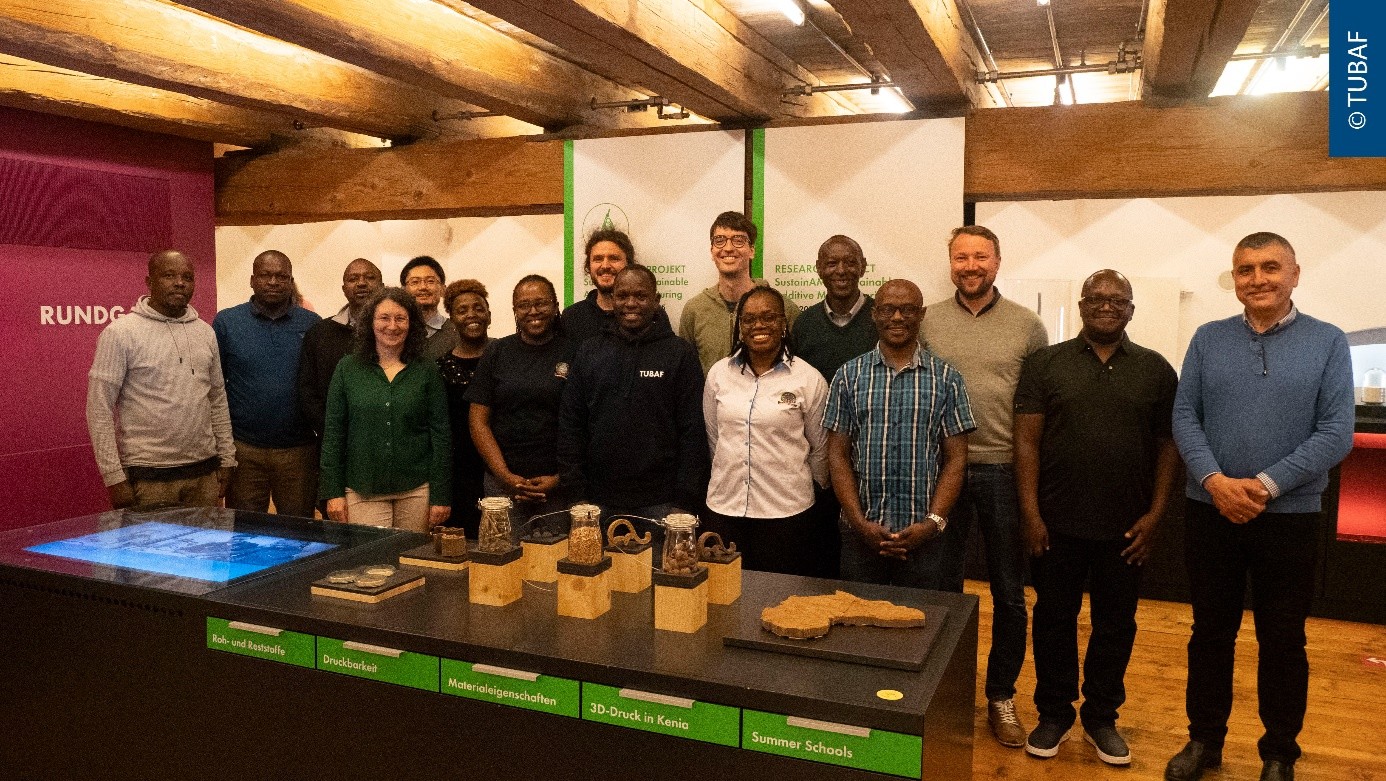
- Organisation and hosting of annual summer schools in Kenya and Freiberg
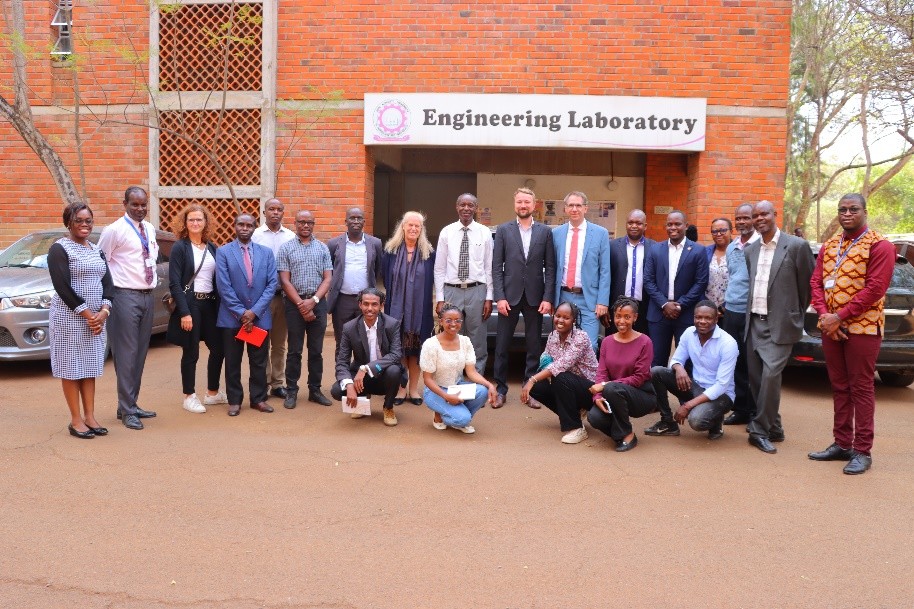
- Development and establishment of a teaching laboratory for additive manufacturing at JKUAT in Kenya
- Joint supervision of student work
Project duration
01/2021 - 06/2025
Project partners
Jomo Kenyatta University of Agriculture and Technology, Juja, Kenya
Funding information
The project is funded . funded by the Federal Ministry of Research, Technology and Space and the German Academic Exchange Service

Main contact person:
Dipl.-Ing. Leif Bretschneider
+49 3731 39 3735
leif [dot] bretschneider [at] imkf [dot] tu-freiberg [dot] de
Research team:
Dipl.-Ing. Leif Bretschneider
Prof. Dr.-Ing. Henning Zeidler

Work packages
WP 1 - Selection of suitable plants/residues for processing into bio-based AM materials
In consultation with the Kenyan project partner, plants and residues were selected on the basis of defined criteria. These include availability, toxicity and food competition.
WP 2 - Analysis and processing of plant/residual materials for AM and biodegradability
Selected materials were dried, crushed and then sieved in order to obtain the required small particle sizes (< 250 µm) for additive manufacturing. Printed parts were analysed for their biodegradability during the course of the project.
WP 3 - Experimental investigation of the suitability and properties of selected materials in AM
In processing trials, the selected residual materials were tested in the individual AM technologies. After successful testing, the mechanical properties were determined, among other things.
WP 4 - Investigation and implementation of technology transfer
The potential of the materials and technologies will be highlighted and demonstrated to potential users in Kenya using prototypes produced using the various AM processes.
WP 5 - Dissemination of project results and development of AM curricula
Research results were disseminated in publications and conference papers (including rapid.tech 3D). The project team also jointly developed the curriculum for a course on additive manufacturing at JKUAT in Kenya.