Project description
There are 371 dams in Germany, 56 of which are in Saxony. [1] For many of these, regular structural inspections cannot be carried out on the submerged components. Many bridges and other hydraulic engineering structures whose foundations are located in bodies of water are also rarely inspected below the waterline. A manual inspection in accordance with DIN 1076 is considered state of the art in the field of structural inspection. In the case of underwater components, a complete inspection of the structure is associated with high financial, personnel and logistical costs. An alternative would be to completely drain the body of water, which would result in a loss of supply and would therefore only be carried out in combination with major repairs.
The aim of the project is to develop a cost-effective method for inspecting structures from the water side during ongoing operation in order to facilitate regular, comprehensive inspections. This involves the use of an autonomous underwater vehicle (AUV) that visually records the structures and enables the automated detection of potential damage. In addition, scientific divers check these detected damage sites in order to make a precise assessment. The findings are incorporated into a guideline for systematic structural inspection below the waterline.
Latest news from the project
First operations at the dam: AI-assisted underwater inspection put to the test
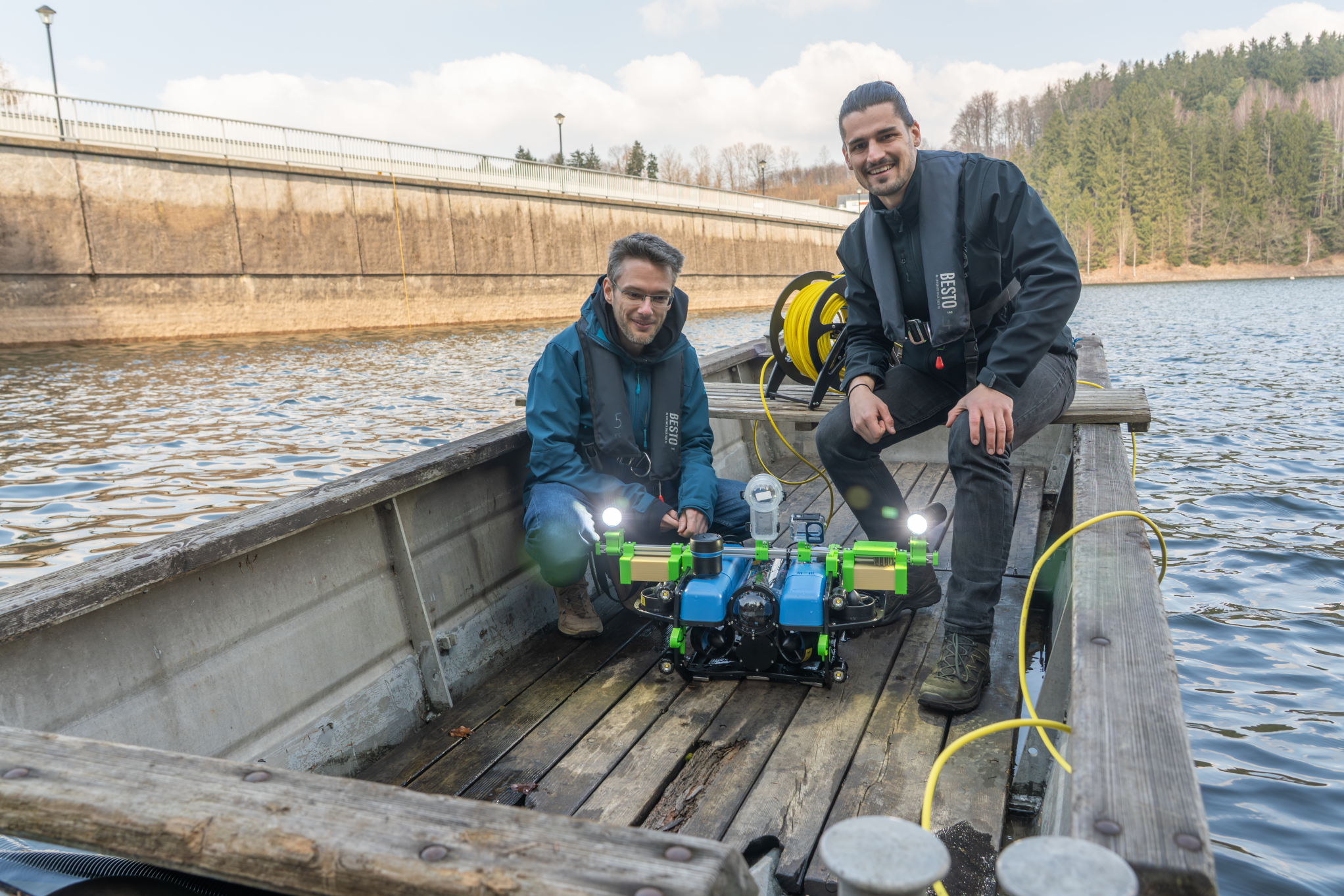
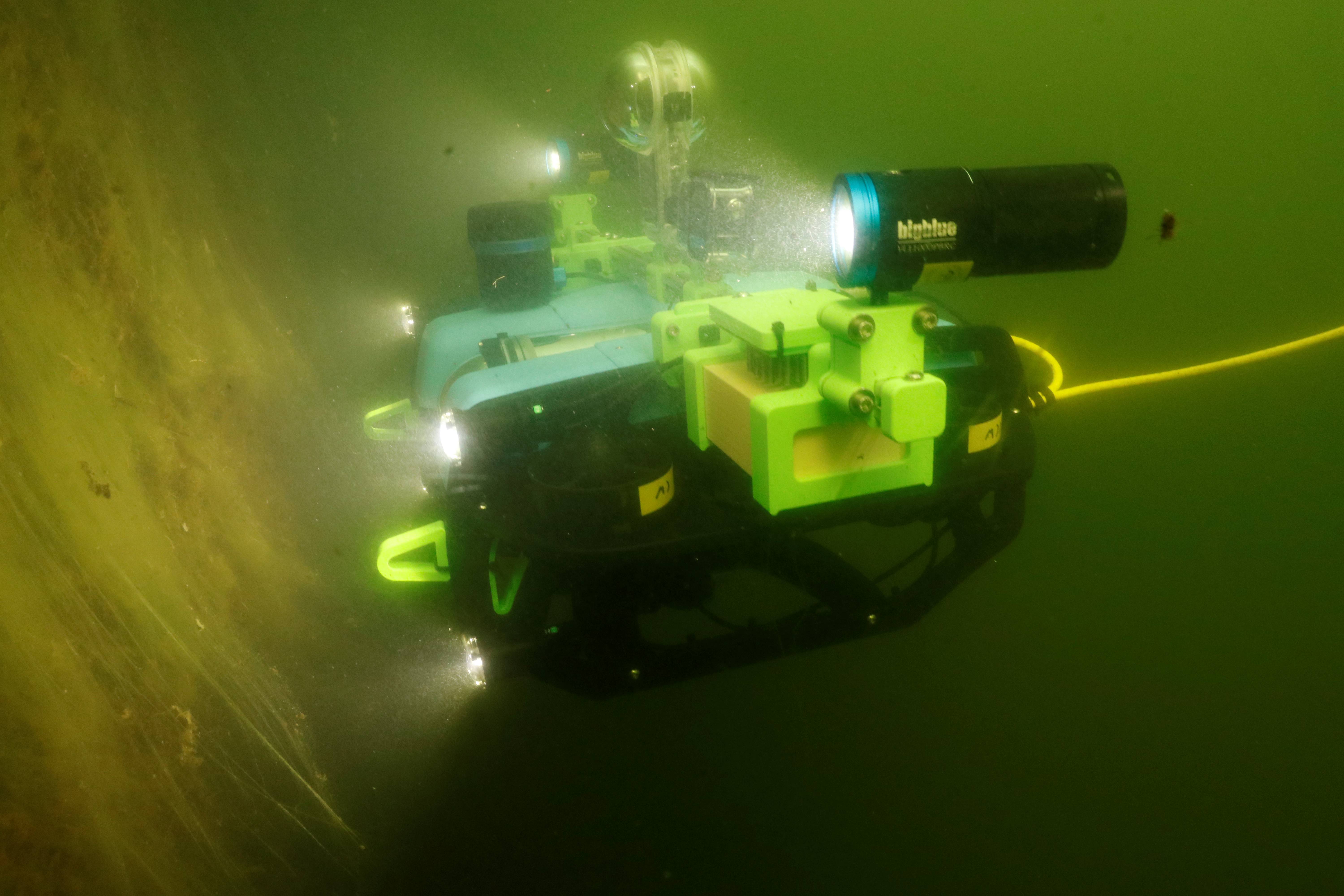
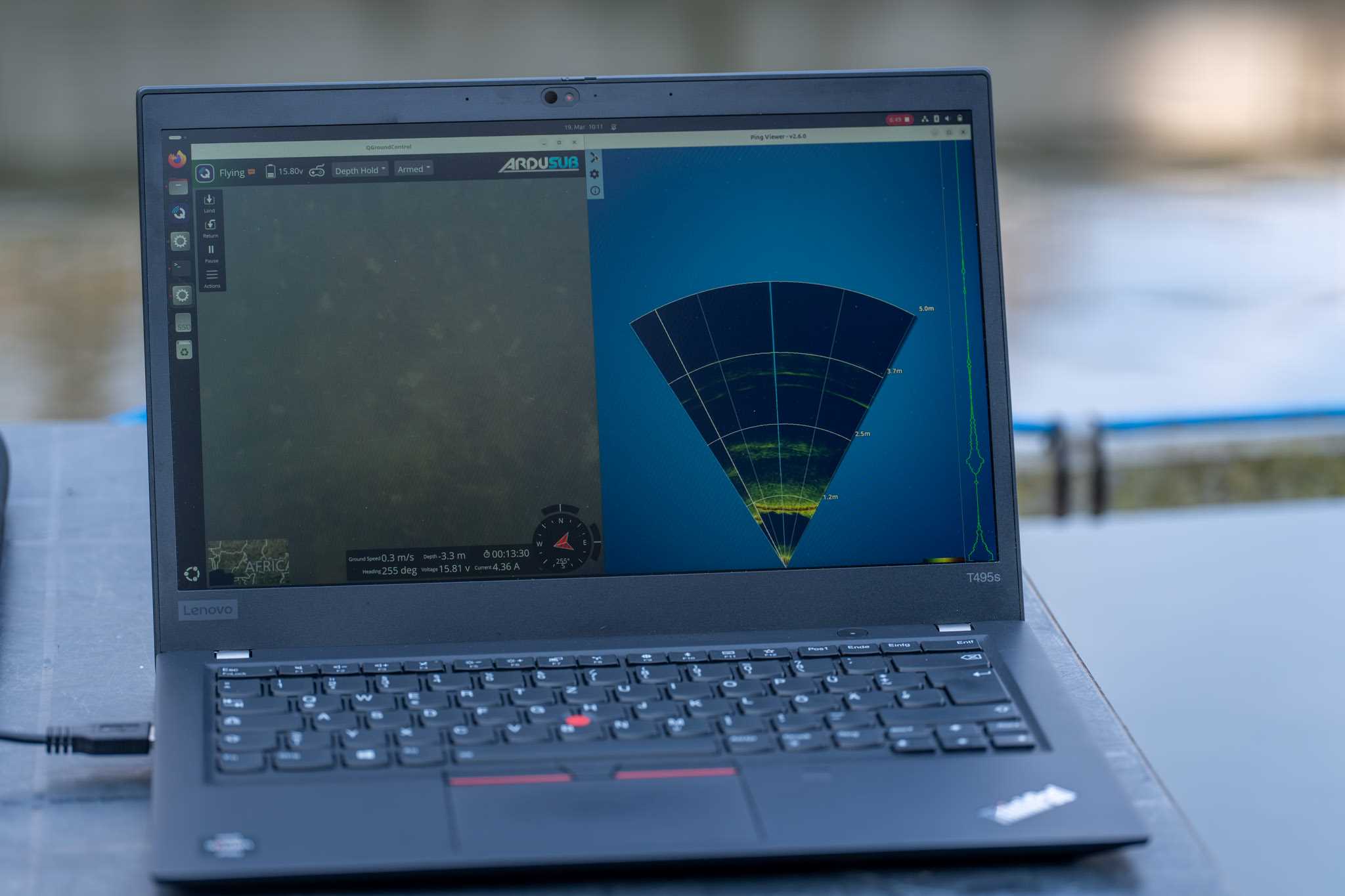
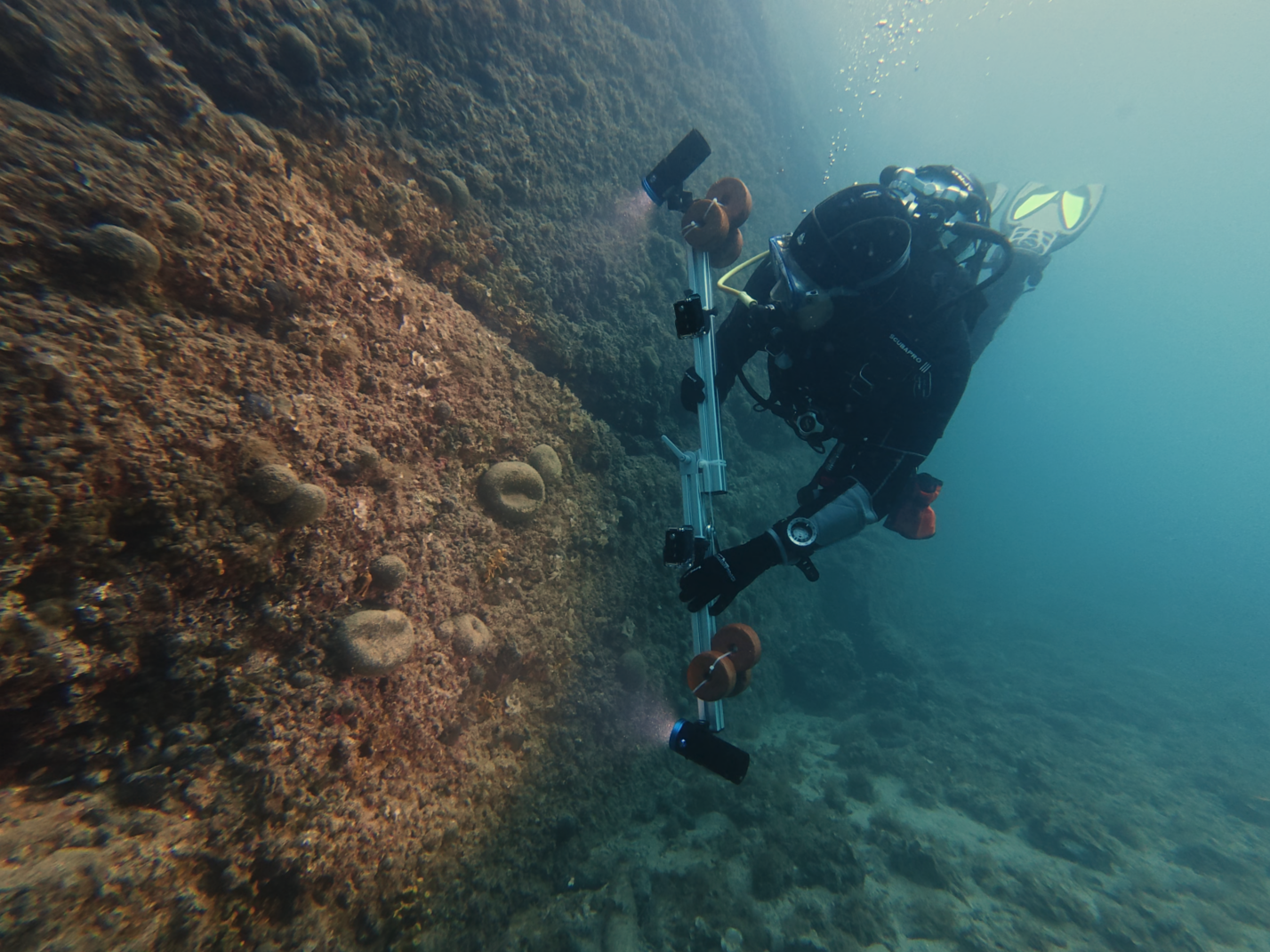
An important milestone has been reached in the SUBmarIne research project: during initial operations at a dam, the system developed was tested under real-world conditions for the first time. Both the underwater robot with its sensor module and accompanying scientific divers were deployed to capture high-resolution image data of the structure’s underwater surfaces.
Read more
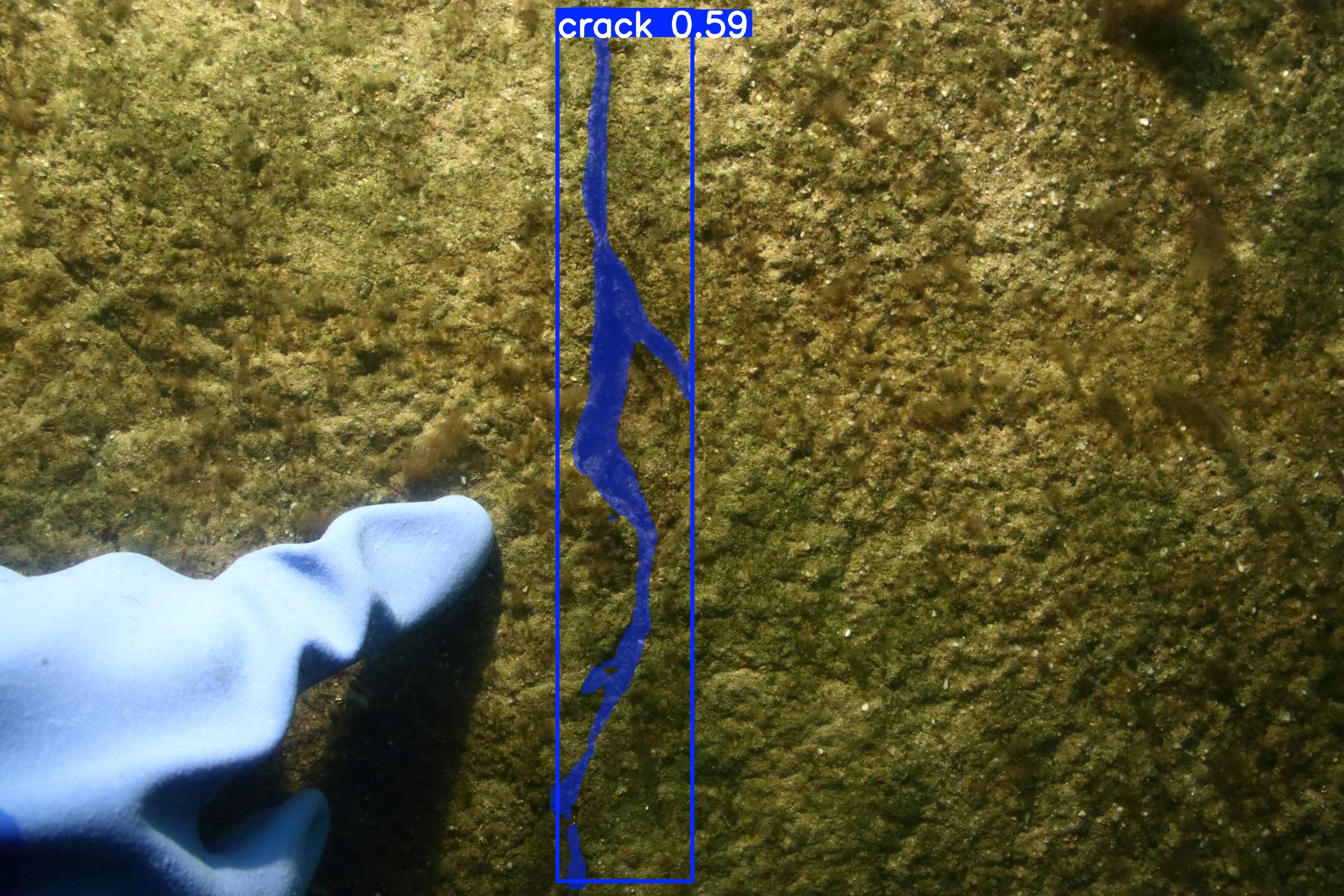
A key focus of the project is the development of artificial intelligence capable of automatically analysing this image data and identifying potential defects such as cracks, spalling or other anomalies. The aim is to enable underwater inspections to be carried out more efficiently, objectively and frequently in the long term – particularly on safety-critical structures such as dams.
The missions provided valuable data and insights for the further development of sensor technology, data acquisition and AI-supported analysis. At the same time, the work resulted in new film and photographic footage for the presentation of the project at the IFAT trade fair. This includes, amongst other things, a VR project video allowing viewers to virtually experience a diving mission.
Research in action: SUBmarIne presents its findings from 2025
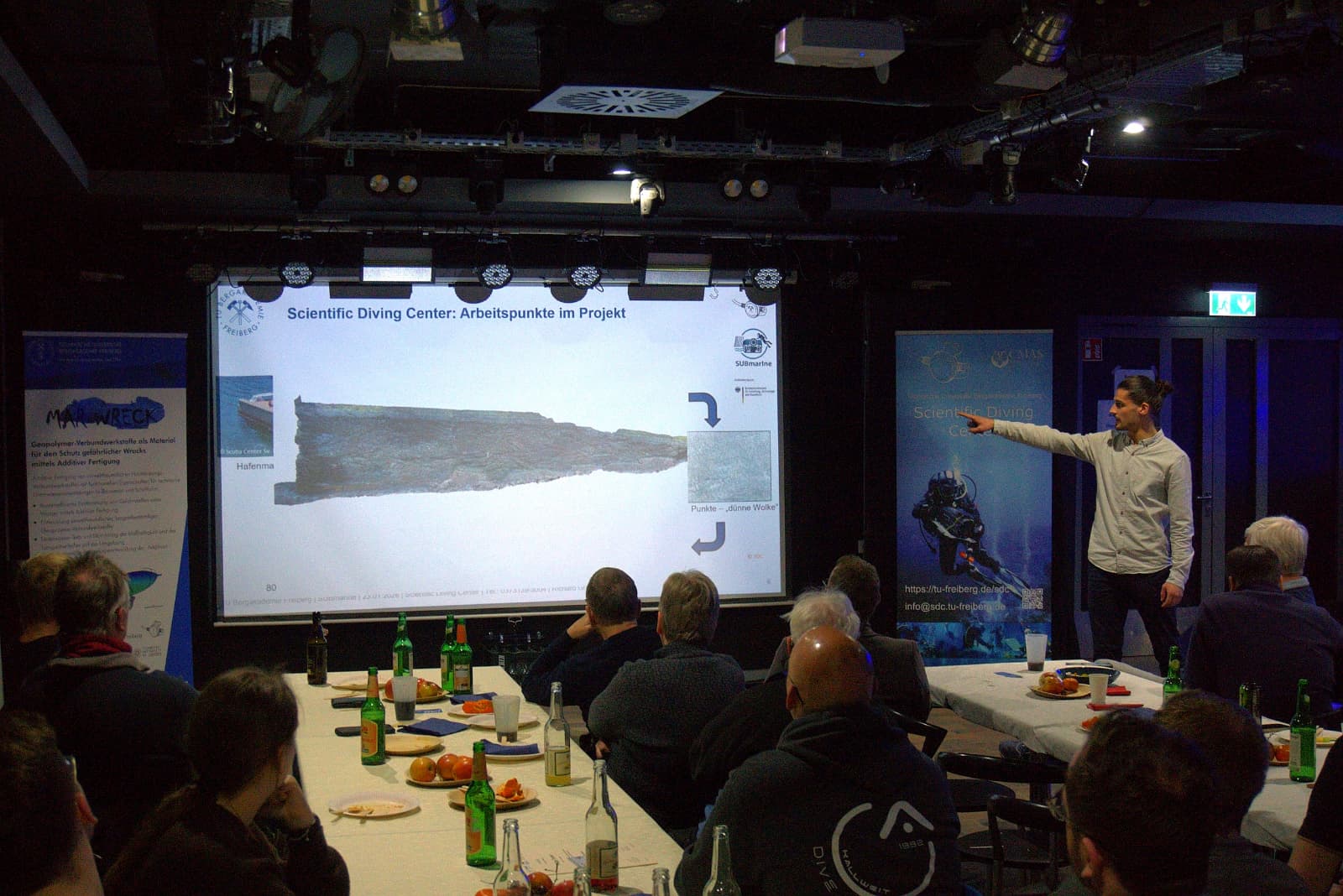
The SUBmarIne research project was presented to a wide specialist audience at the Scientific Diving Centre’s 2026 Annual General Meeting. The presentation focused on the underlying practical relevance of the project in relation to the inspection of underwater structures and the project objectives derived from this.
Read more
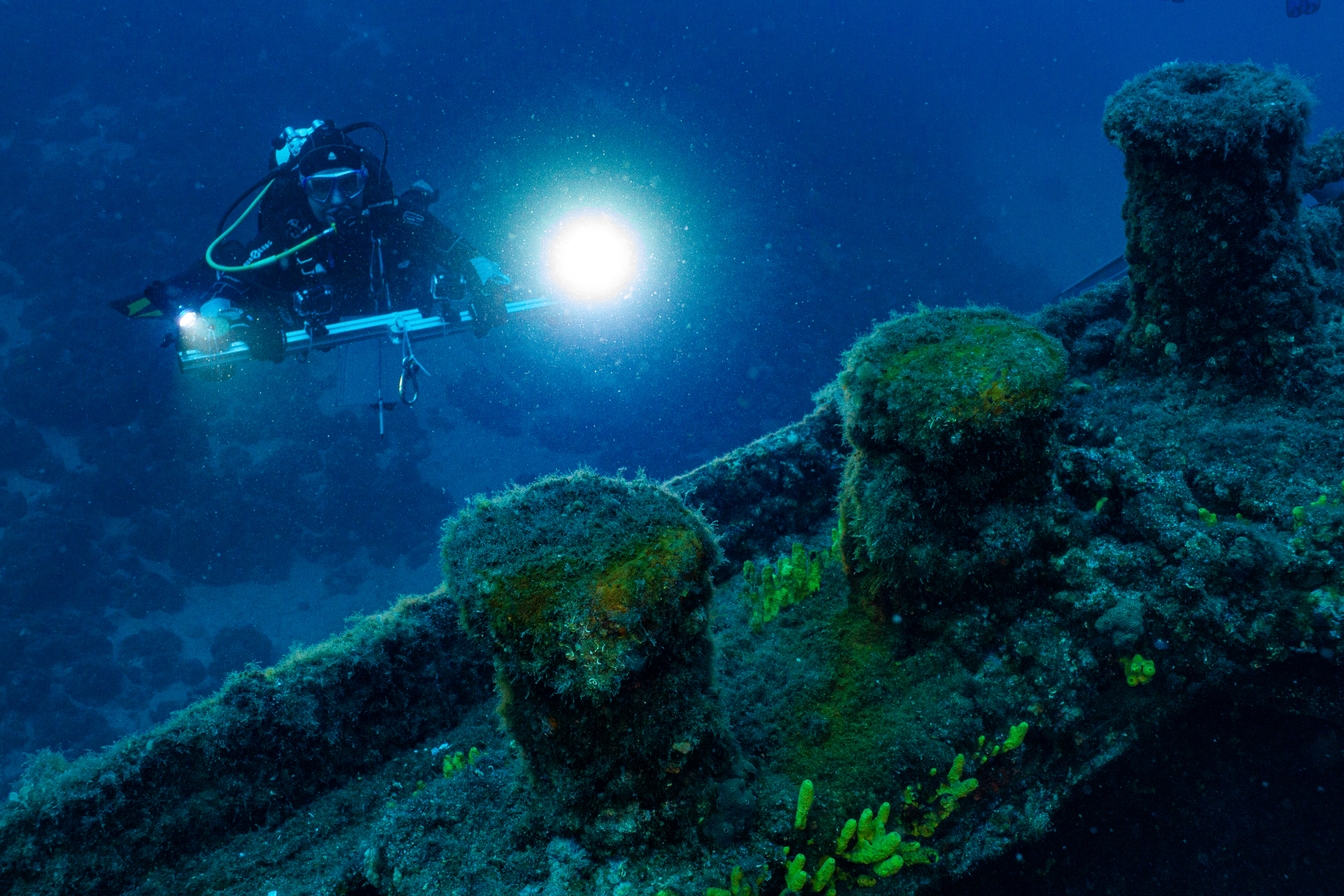
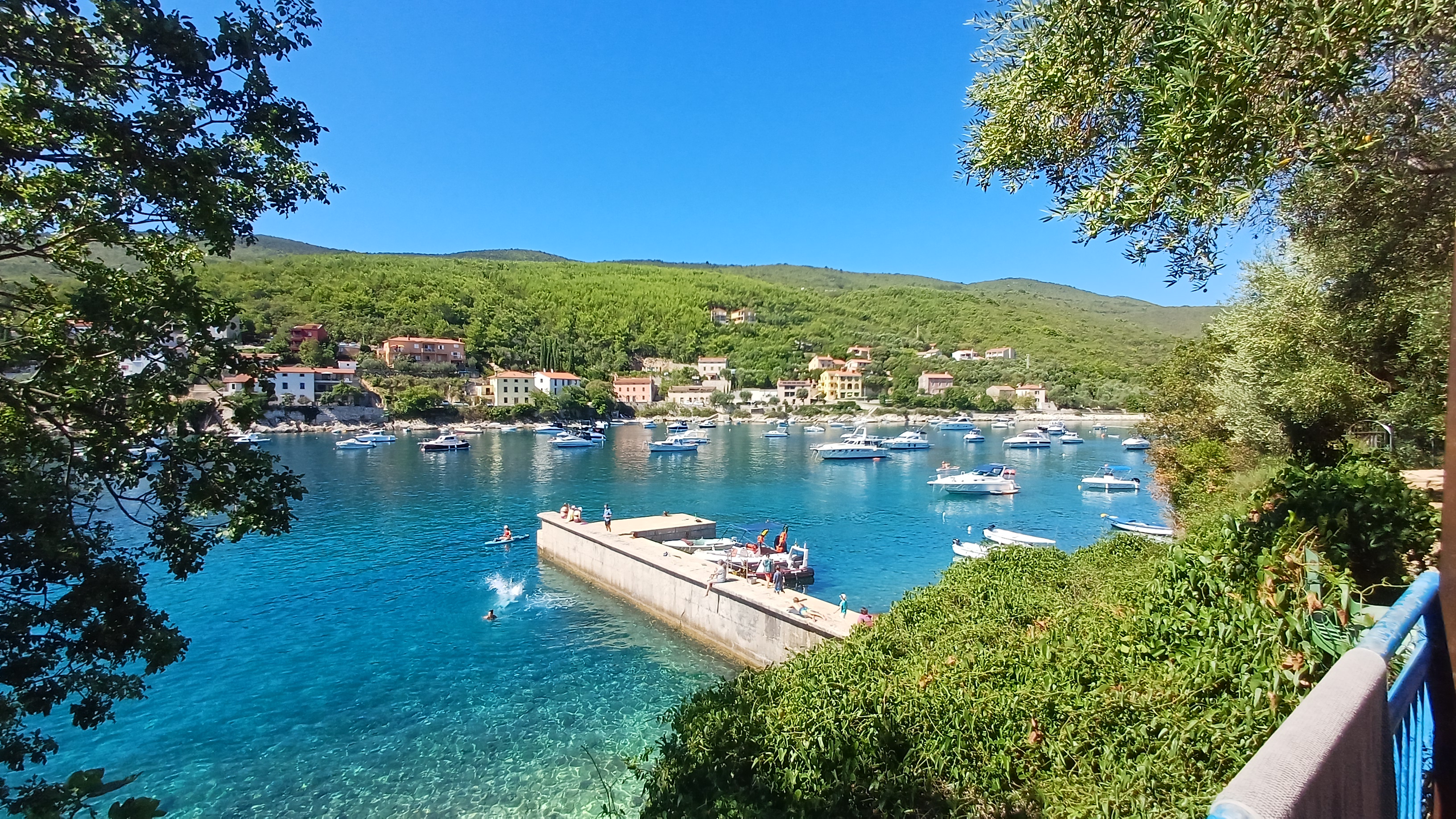
A central theme of the presentation was the presentation of initial research results from 2025. Among other things, the possibilities of photogrammetric 3D modelling of underwater structures and automated damage detection were presented. These methods were intensively tested and further developed during the 2025 excursion to Sveta Marina in Istria (Croatia). The findings obtained there demonstrated the high potential of the methods used for precise and efficient structure inspection.
The results and project progress presented met with great interest and formed the basis for an intensive technical exchange. At the same time, it became clear what potential SUBmarIne has for the further development of modern, automated inspection methods in the field of underwater infrastructure.
“SUBmarIne” research project launched – KickOff in Karlsruhe
The SUBmarIne research project marks the official launch of yet another forward-looking initiative under the ‘Water of the Future’ framework programme run by the Federal Ministry of Research, Technology and Space (BMFTR). The aim of the programme is to develop innovative solutions for the sustainable management of water resources and to promote the transfer of knowledge between the scientific community, industry and society.
Read more
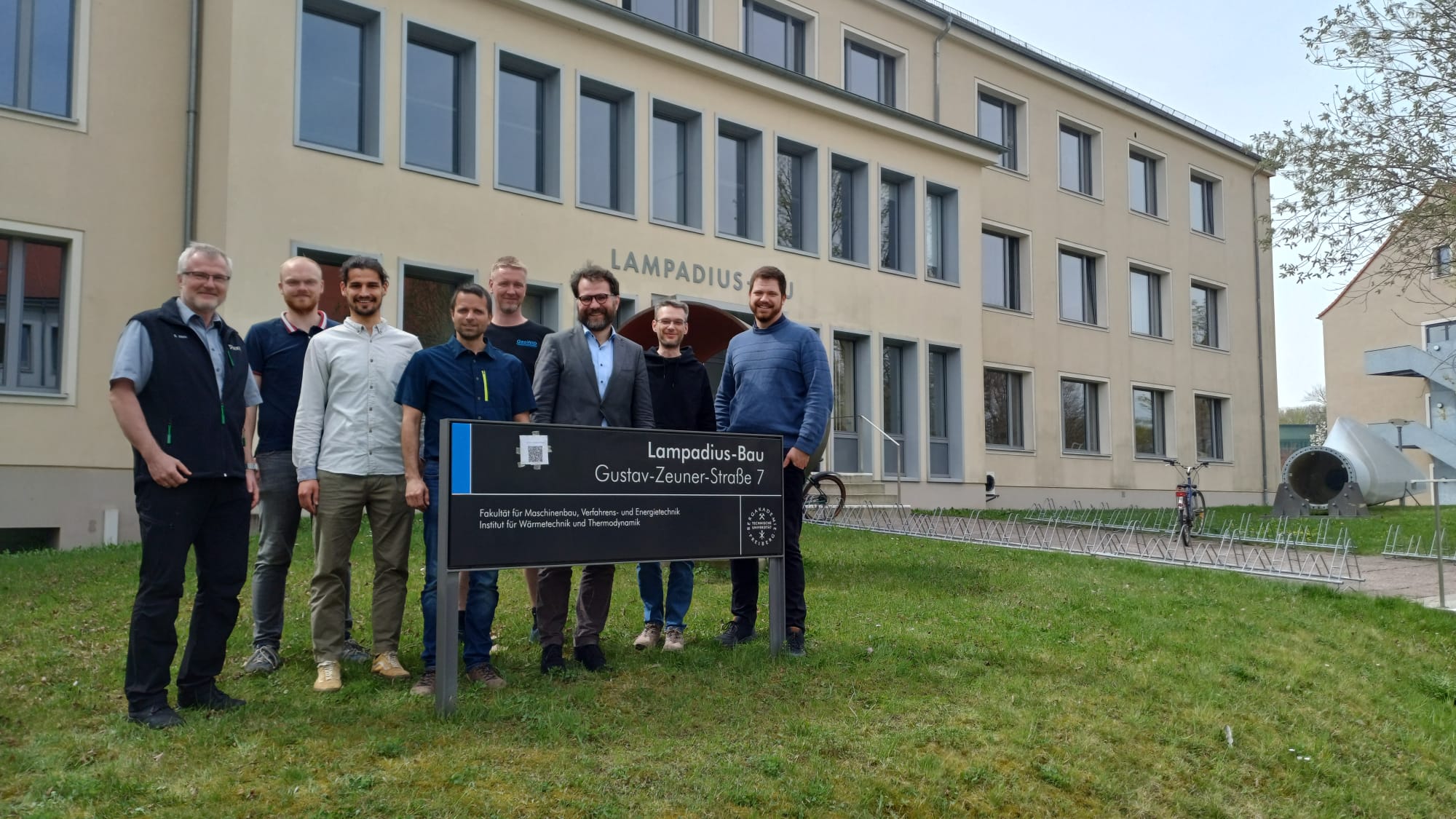
The project management agency Karlsruhe (PTKA) invited guests to Karlsruhe for the official launch. Numerous representatives from research institutions, companies and funding organisations took the opportunity to discuss the planned work and deepen initial collaborations.
The varied programme offered a series of exciting presentations: scientific partners and industry representatives presented their projects and approaches and impressively demonstrated the broad spectrum of research funded under the framework programme – from technological innovations and practical applications to strategic concepts for the sustainable protection of our water resources.
In addition to the technical presentations, the focus was above all on personal exchange. In conversations and discussion rounds, technical synergies were identified, ideas were further developed and new contacts were made. The event thus laid an important foundation for close cooperation between all project partners in the further course of the project.
Submarine makes a significant contribution to the objectives of the ‘Water for the Future’ framework programme. In the coming months and years, the participating partners will work together to develop new approaches to sustainable water resource management – both in research and in practical implementation.


Project partners and tasks

Scientific Diving Center Freiberg
- construction of the sensor module with stereo camera system, underwater lighting and line laser
- creation of test specimens with simulated damaged areas for validation, accuracy testing and identification of the system's operational limits
- integration of the sensor module into the dive computer
- construction of the cable routing for the AUV
- analysing the images using photogrammetry
- investigation of a pilot structure
- public relations work

Institute of Computer Science at TU Freiberg
- commissioning the submersible robot
- assembly and commissioning of the land station
- integration of the sensor module into the diving robot
- positioning and path planning of the diving robot
- optimisation of the recording parameters
- analysing the laser projection images
- investigation of a pilot structure
- public relations work

GeoWiD
- recording the actual condition of a reference property
- validation of the different types of utilisation
- investigation on a pilot building
- testing of the final application process
- review / evaluation of sensor detection
- public relations work
Associated partners

Landestalsperrenverwaltung of Saxony
- serves as an interface to the users
- guarantees access to dams
- provides reference and damage data from investigations carried out

DEKRA
- testing centre for structures (above and below water)
- safety and risk assessment in accordance with applicable standards
- assessment of potential hazards and recommendation for repair measures

Milan Geoservices GmbH
- creation of elevation and terrain models
- surveying in water using hydroacoustics and depth sounding
- external expertise for the overall project
- advice on functionality and handling for practical application of the end product
Publishings
Publications:
- R. Stanulla, R. Gruhn, G. Licht, S. Hein, T. Grab (2026)
Einsatz autonomer Prüftechnik für die Inspektion von Unterwasserbauteilen – das WaZ-Forschungsprojekt SUBmarIne
Hochschule Mittweida, DOI: 10.48446/opus-16574
Press reports:
- 17.07.2026 Fernsehbeitrag MDR Sachsenspiegel und MDR Aktuell
- 06.05.2026 MDR-Wissen: Webseiten- und Radiobeitrag
- 05.05.2026 Beitrag FreiePresse Freiberg
Presentations / Posters / Trade fair appearances:
- R. Gruhn, T. Grab, G. Licht, R. Stanulla, S. Zug (2026)
Underwater Infrastructure Inspection: The cooperation between scientific divers and autonomous robots
Vortrag auf der 9th European Conference on Scientific Diving - T. Grab, R. Gruhn, R. Stanulla, G. Licht, S. Zug, T. Fieback (2026)
Underwater building inspection by robots to optimize damage detection by divers during inspection processes
Posterpräsentation auf der 9th European Conference on Scientific Diving - 04.-07.05.2026 interaktive Präsentation des Projektes am Messestand des BMFTR
- R. Gruhn, T. Grab, G. Licht, S. Zug, R. Stanulla, S. Hein (2026)
SUBmarIne: Unterwasser-Bauwerksinspektion mit Hilfe von Robotern zur Optimierung der Schadstellendetektion durch Taucher
59. Essener Tagung: ISBN 978-3-938996-67-6 - R. Gruhn; Menschliche Expertise trifft autonome Unterwassertechnik
Vortrag innerhalb der Bits and Bytes- Vortragsreihe der TU Bergakademie Freiberg


Contact person