LiCARE
Optimisation of the recycling processes for production waste from lithium battery manufacturing with the aim of producing high-quality non-ferrous metal products for direct use in selected manufacturing processes.
Term:
01.12.2024 to 30.11.2026
| Collaboration partner | Contact person |
|
|
Motivation and project goals
The increasing demand for lithium-ion batteries (LiB) in areas such as electromobility, renewable energies and industrial applications is leading to significant growth in production. With the construction of new production facilities, known as gigafactories, and the dynamic development of the electric vehicle market, the amount of production waste is also increasing. The volume is expected to rise to over 600,000 tonnes per year worldwide by 2025. Germany is expected to play a leading role in European battery production and thus make a significant contribution to these waste volumes.
Despite existing recycling technologies, there are significant deficits and challenges. The recovery of non-ferrous metals such as copper and aluminium is cost-intensive, particularly due to rising energy prices. The quality of the recycled materials is often inadequate, as impurities and geometric properties lead to price markdowns during further utilisation. Inefficient processes also lead to metal losses, for example through burn-off in the melt, and prevent the optimal utilisation of waste. These problems not only contribute to higher costs, but also increase the environmental footprint of battery production.
The planned project aims to significantly improve the economic efficiency and sustainability of recycling LiB waste. By optimising the process chain, metal losses are to be minimised and, at the same time, new recovery routes are to be developed for recycled materials such as copper and aluminium products that can be used in coating and welding applications. This enables the substitution of energy-intensive powders and thus contributes to reducing the carbon footprint.
These measures are intended not only to achieve economic benefits through higher revenues and reduced costs, but also to strengthen the circular economy and ensure resource-conserving recycling.

Tasks of the IART
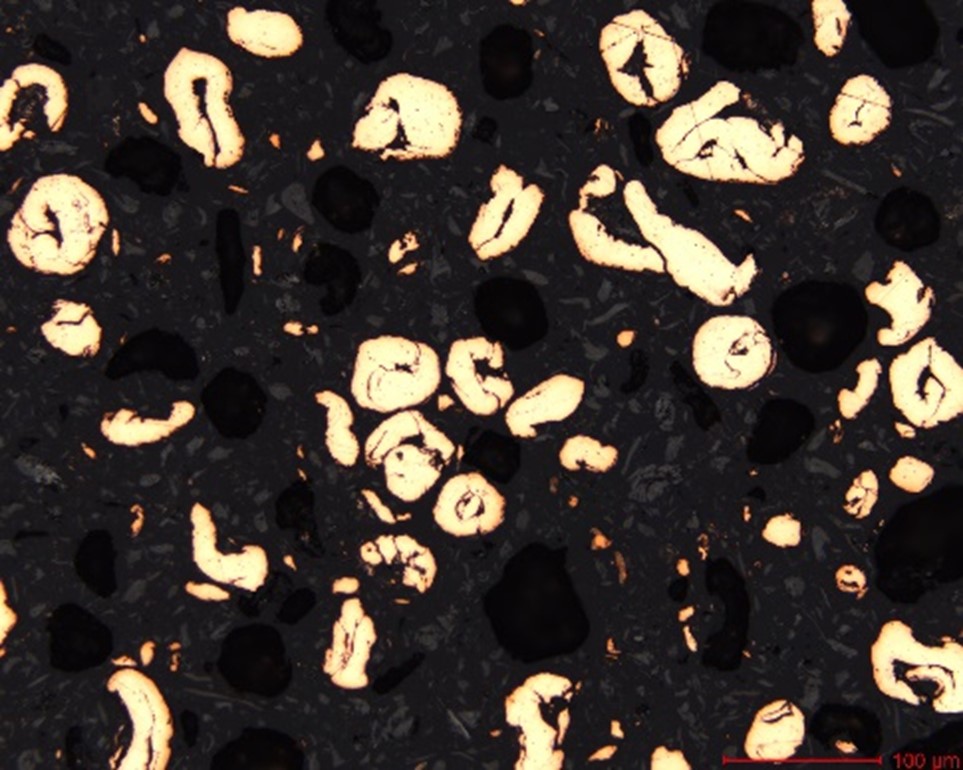
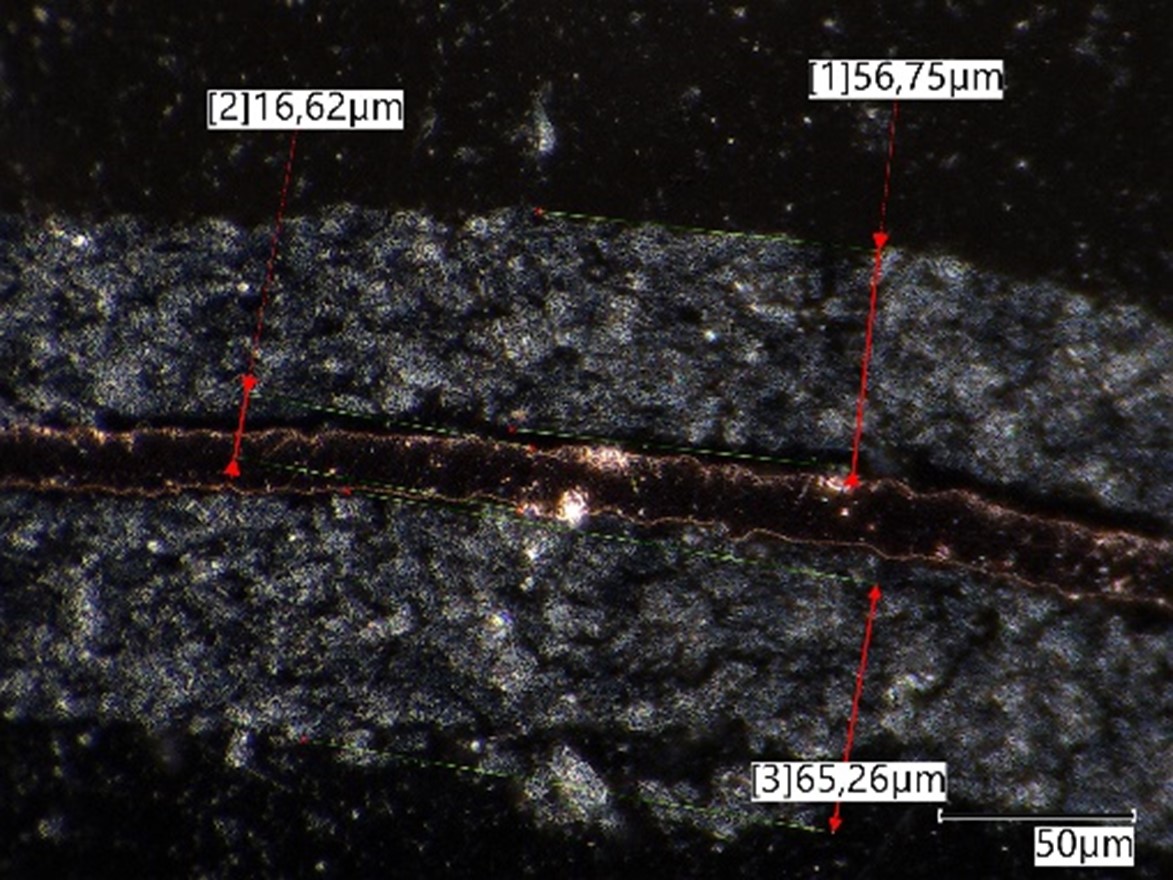
The work includes basic research on a laboratory scale to optimise recycling processes. One focus is on increasing efficiency in the recovery of non-ferrous metals. In the course of this, measures are being developed to adapt the products and improve the quality of the recovered non-ferrous metal products to enable their use in selected fields of application.
Funding information
Funded by the German Federal Environmental Foundation