"Holistic processing of plastic recycling paths for resource-efficient and recyclable lightweight battery housings" (Gabriela)
Term:
01.07.2022 to 30.06.2025
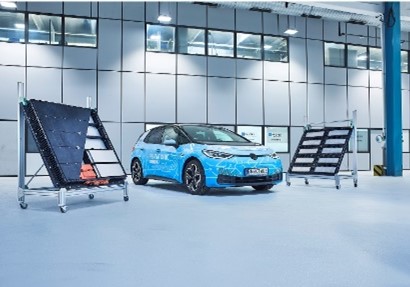
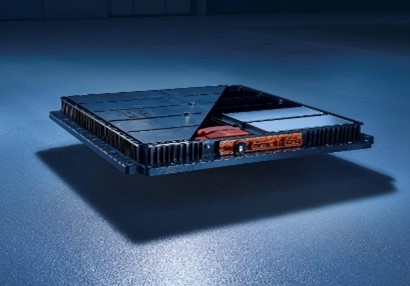
Europe is aiming for climate neutrality by 2050 with the "Green Deal". North America and China are following suit. The recycling of plastics is an important factor in achieving the climate targets. Many plastics are used in lightweight construction. In the mobility sector in particular, this results in a high potential for reducing CO2 emissions by replacing new material with recycled material. The GABRIELA joint project is investigating the potential of using recycled plastics using the example of Pentatonic® high-voltage battery housings from automotive supplier Kautex Textron. Pentatonic systems are based on glass fibre-reinforced thermoplastics (polyamide or polypropylene), which can be combined with aluminium or composite material to form hybrid structures as required.
| Composite partner | Contact person |
|
Motivation and project goals
The research project is developing recyclates for the production of battery housings using extrusion or injection moulding. The product life cycle is analysed from material production to initial processing, ageing and reprocessing through to reuse in a component. Three scenarios are considered for reprocessing: mechanical shredding with and without subsequent extrusion (plant technology from Vecoplan AG) and physical dissolving (adaptive recycling technology CreaSolv®, Fraunhofer IVV). In all three cases, the result is a flowable bulk material that can be reused in production. In the case of physical dissolving, the granulate no longer contains any glass fibres, as these are separated in the process.
In the case of composite materials such as fibre-reinforced thermoplastics, there have so far been reservations regarding the recycling potential in structurally relevant lightweight components. This is due to both the composite to be separated and the high structural-mechanical and safety-relevant component requirements in the mobility sector. So far, studies have tested recyclate proportions of 10 to 20%; this research project aims to evaluate recyclate proportions of up to 100%.
The project will compare the recycling routes from a technical, ecological and economic perspective and identify the respective advantages. The aim is to select the appropriate recycling route with the corresponding recyclate quality for the respective processing method and the respective product, along with specific customer requirements. The project framework is largely characterised by the life cycle assessment, which balances the resource consumption in all process steps from "Cradle to Grave" and thus quantifies the potential savings in CO2.

Tasks of the IART
The IART is to bring together the process chains of the new recycling routes and evaluate them from a recycling perspective. The IART's focus in the recycling process is on the mechanical pre-treatment processes with adaptive shredding, sorting and the removal of unwanted materials from the material flow.
In addition, the IART aims to create a deeper understanding of recycling-friendly design. For example, new battery boxes are to be designed to be recyclable with optimised joining methods or maximum use of recyclate. In order to be able to comply with future political framework conditions of the "Green Deal", for example, methods for evaluating the recyclability and recyclability are being developed or specifications from the upcoming EU battery regulation "BATT2" such as the digital product passport or take-back concepts are being prepared.
Optional funding note
This joint project is funded by the Federal Ministry of Economics and Climate Protection (BMWK) as part of the Lightweight Construction Technology Transfer Programme (TTP LB) and is supervised by Project Management Jülich.