The new Bachelor’s programme in Smart Systems Engineering (SSE) at TU Bergakademie Freiberg welcomed its first cohort with an interactive kick-off on 12 October 2026. Students met their peers and teaching staff, explored a sensor-based system and discussed the role of university education in a world increasingly shaped by artificial intelligence.
The launch marked a special milestone for Dean of Studies Prof. Christian Kupsch, who played a major role in developing the programme. The students’ enthusiasm, curiosity and determination to put their ideas into practice made the event an encouraging start.
Making smart systems tangible from day one
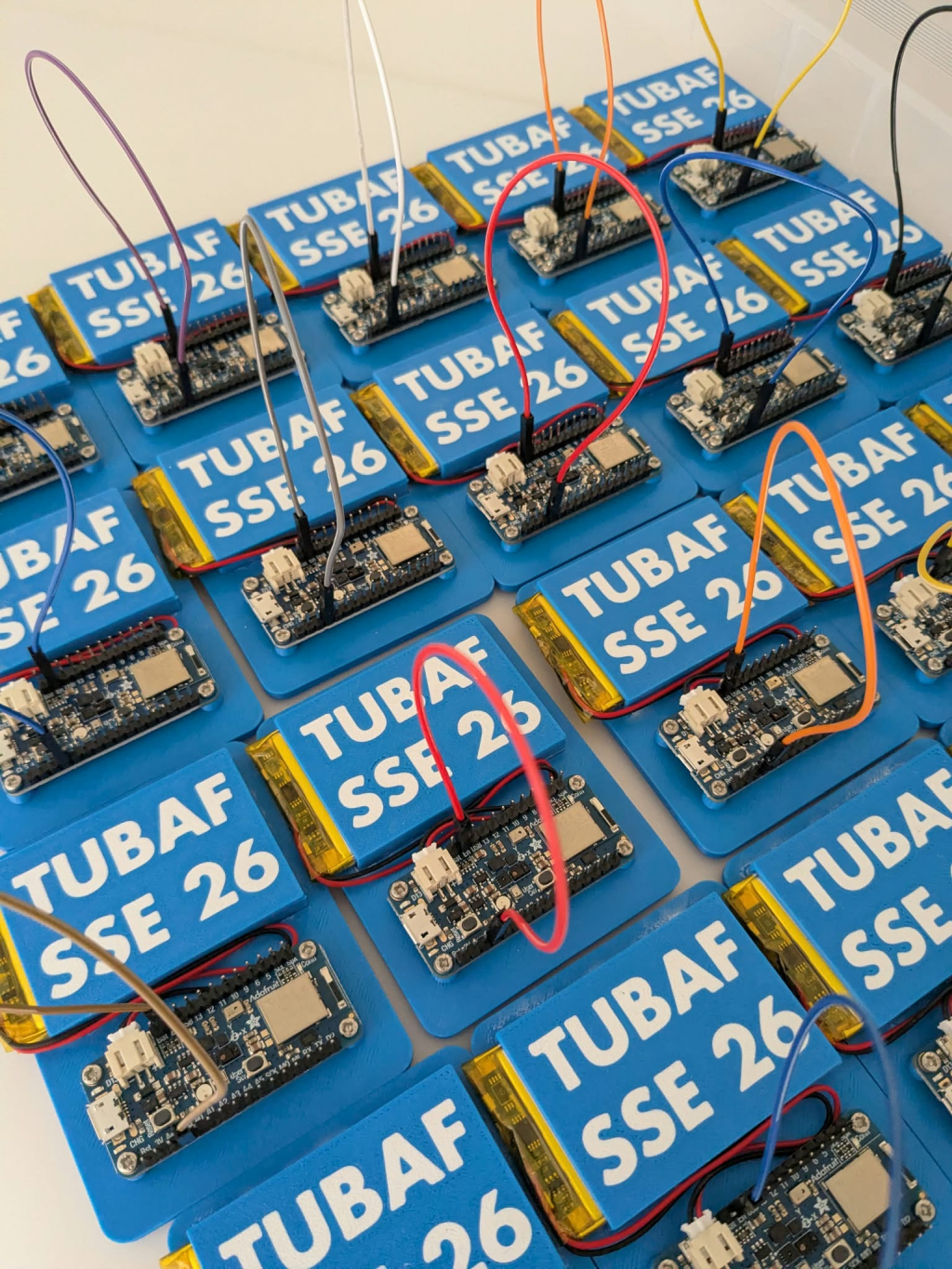
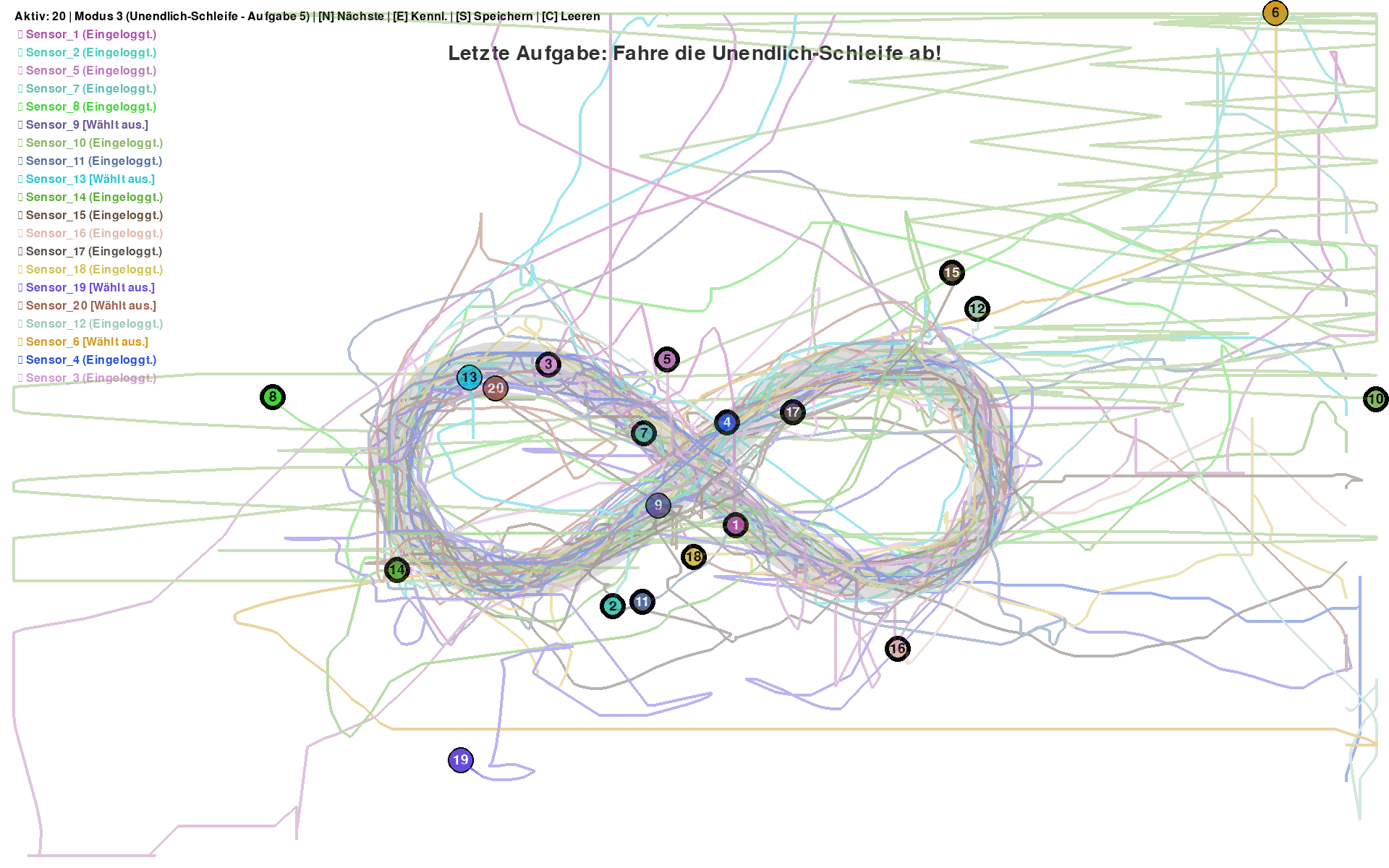
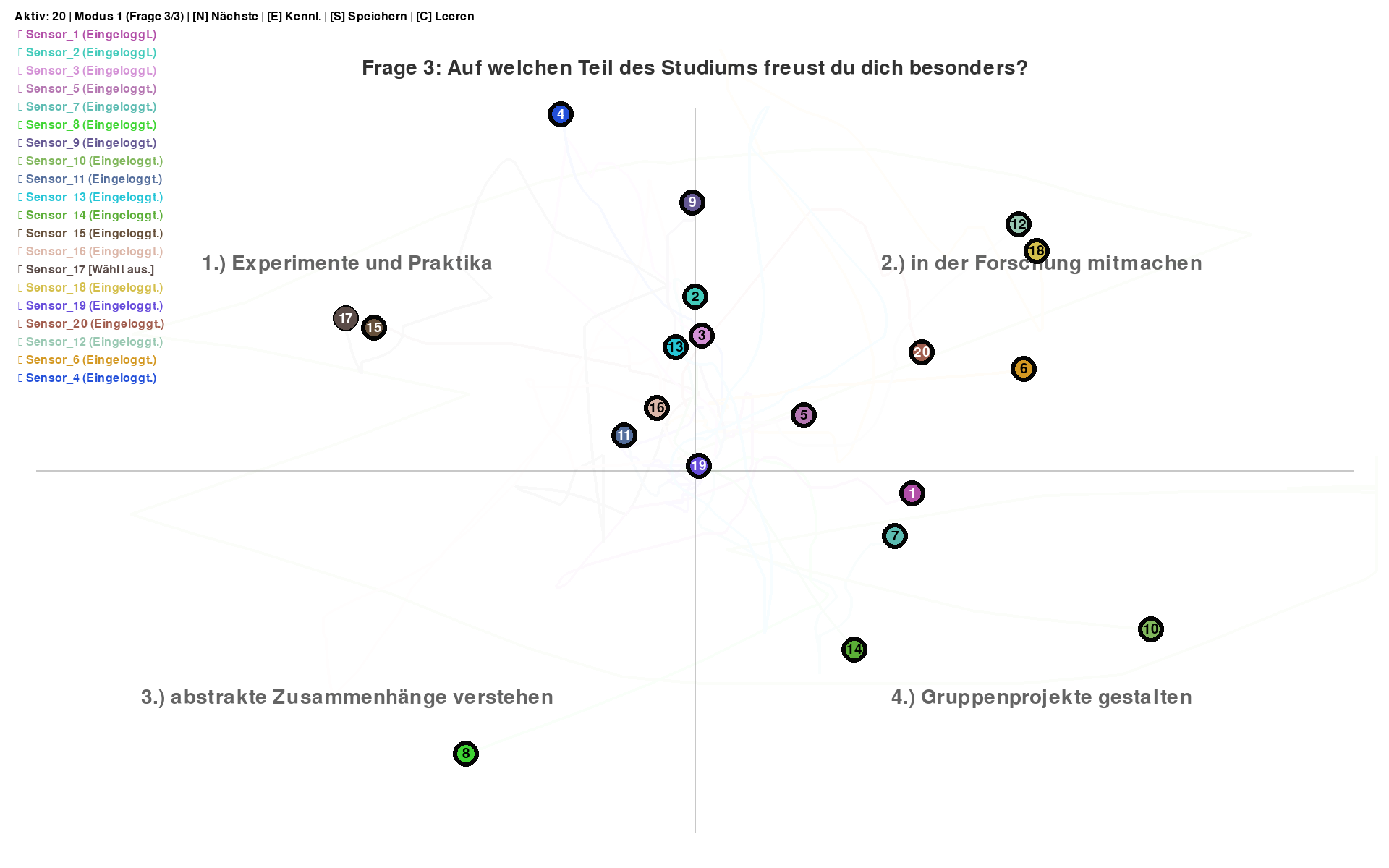
The programme aims to give students early hands-on experience of how sensing, software and interaction work together. At the kick-off, students and staff used handheld sensor boards to move their own markers across a shared screen. Questions designed to help participants get to know one another, together with coordination challenges, turned the activity into a shared experiment.
Changing how the sensor signals were processed made the controls noticeably harder to use. This prompted a discussion about the connections between physical movement, sensor measurements, software and human feedback. The activity introduced a central question of the programme: how can individual components be combined to create systems that work reliably in the real world?
Each student received a sensor board on loan as study equipment, allowing them to continue experimenting and develop their own projects beyond the kick-off.
Knowledge, judgement and collaboration in the age of AI
The event also explored how artificial intelligence is changing the world of work and the growing importance of subject knowledge, critical thinking and independent judgement. As powerful tools become more widely available, students need to learn how to ask meaningful questions, assess results and make informed decisions.
University provides opportunities to develop these abilities through practical work, discussion and collaboration. At TU Bergakademie Freiberg, close contact with teaching and research staff, access to advanced technology and opportunities for early involvement in research support this development.
Connecting disciplines
Smart Systems Engineering brings together the Faculty of Mathematics and Computer Science and the Faculty of Mechanical, Process and Energy Engineering. The programme prepares students to work across disciplinary boundaries and understand how different technologies contribute to an intelligent system.
Prof. Sebastian Zug and the MSE Lab team helped shape the interactive kick-off. The event provided a welcoming start for the first cohort—and an opportunity to experience the curiosity, collaboration and practical exploration that will accompany their studies.