Nanotechnologie
Achieving great things with small particles - changing the world with just a few atoms.
Nanotechnology focuses on nanomaterials with their properties, production and application. The graduate engineer in nanotechnology is able to analyse and independently develop a wide range of interdisciplinary issues relating to nanosystems. Possible applications include all areas of research, development, production, quality assurance and knowledge communication in all high-tech industries in today's world.
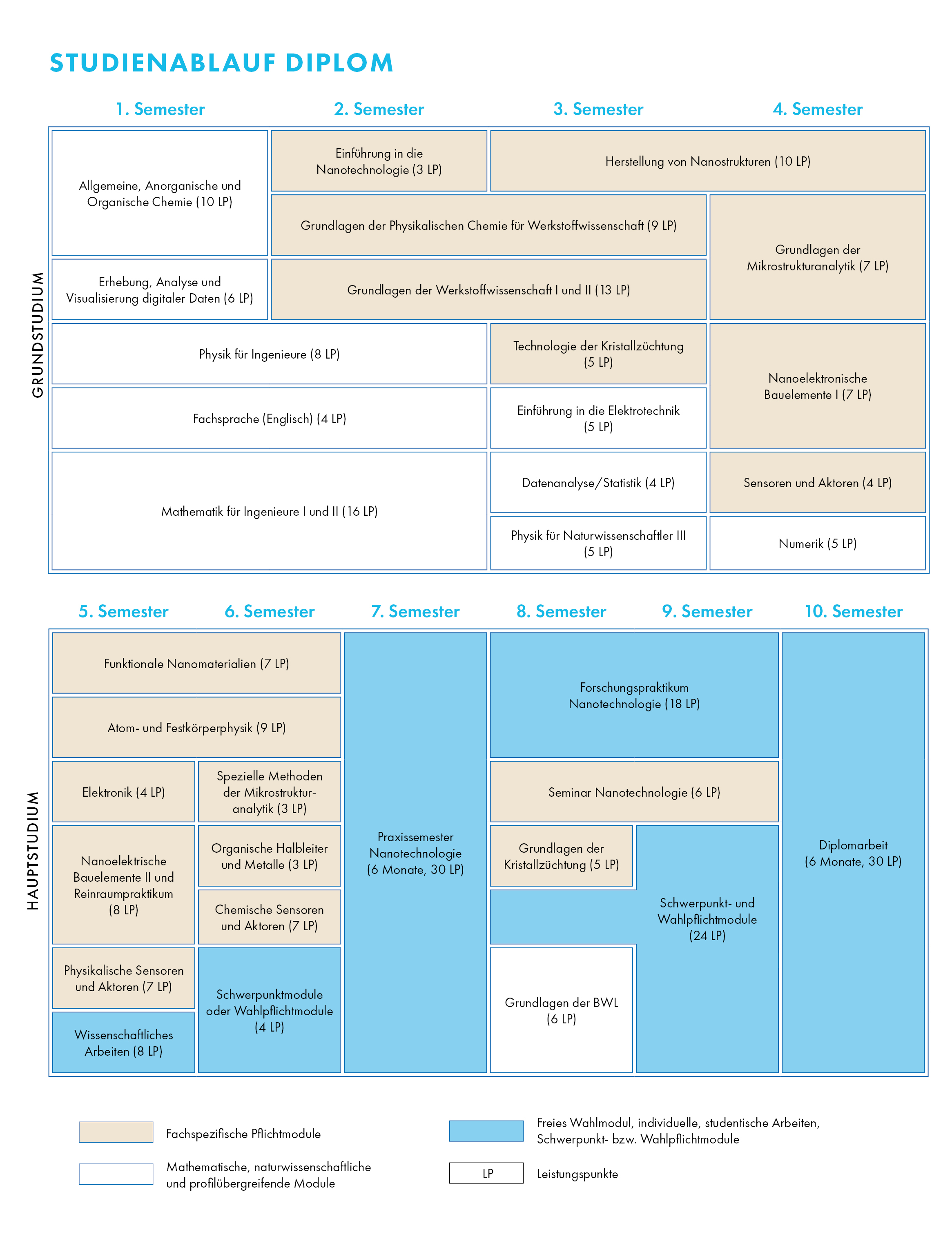
The "Nanotechnology" degree programme teaches broad physical, chemical and material science fundamentals as well as computer science and electrical engineering, in particular nanoscopic systems and knowledge of the manufacturing technology of nanomaterials, nanodevices and their technical applications.
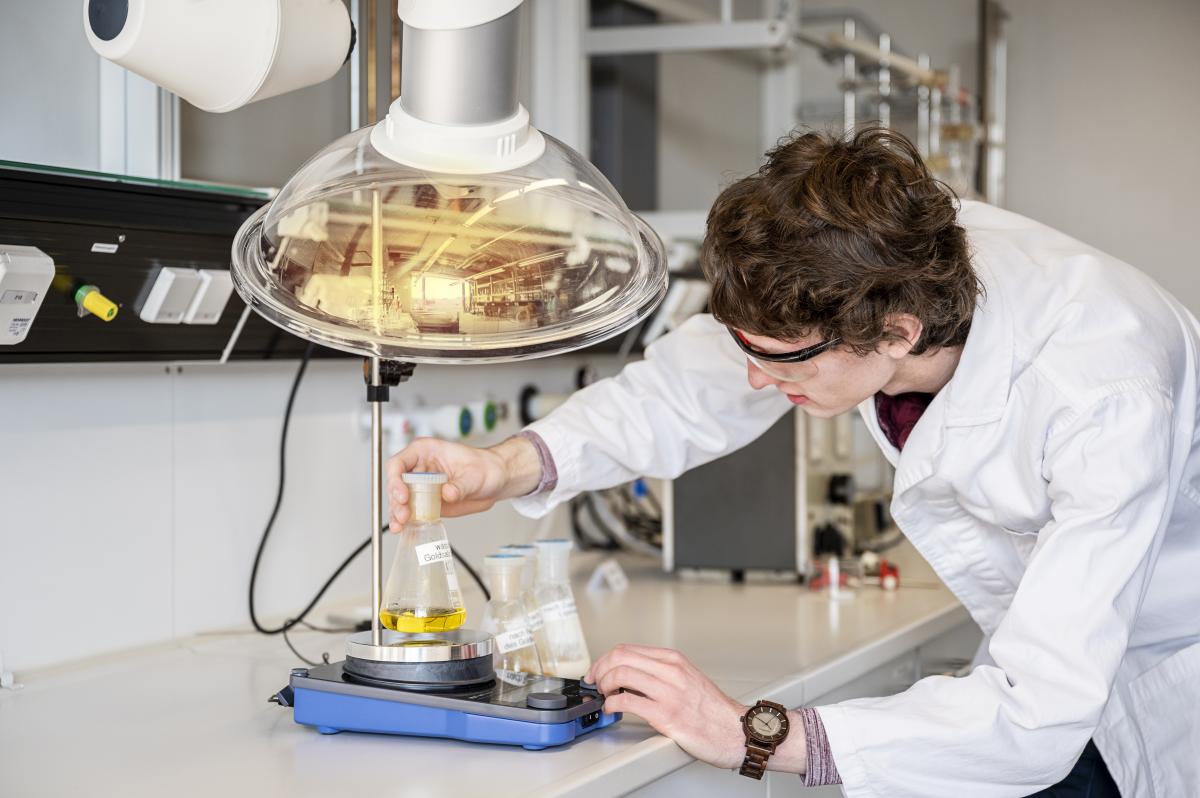
In the main study programme, special lectures begin that clarify the relationship between material - structure - function. Further knowledge of nanomaterials, nanoelectronic components and sensors is deepened through exercises and practicals, including under cleanroom conditions. In addition, individual interests and inclinations can be pursued through a wide range of options. This includes a compulsory elective programme that discusses a wide range of applications of nanotechnology, e.g. catalysts and data or energy storage.
A high proportion of free elective modules allows all students to specialise in different subjects, for example in the fields of biosensor technology, nanoanalytics, nanofluids, measurement technology or IT. In addition, special attention is paid to the ability to independently develop new solutions, including in interdisciplinary research groups. This is realised through initial scientific work (with individually selectable topics) such as literature research, a practical semester in an industrial company or a non-university research institution, an extensive research internship and the final thesis. As both the practical semester and the free elective modules can be completed internationally, it is easy to integrate stays abroad into the study programme.
Key Areas
Bionanotechnology
In the field of bionanotechnology, students acquire expertise in the development and application of biosensors. To this end, they are taught the fundamentals of biochemistry, biophysics and molecular biology.
Nanoanalytics
In the field of nanoanalytics, students acquire the skills required to characterise nanostructures in both the solid and liquid phases. To this end, they are taught about spectroscopic and microscopic methods for structural characterisation.
Smart Systems
In the field of ‘Smart Systems’, students acquire expertise in electrical engineering and control engineering in order to automate machines and processes even more effectively. Specialised measurement techniques complement the curriculum.
Nanotechnologists are needed in companies in all branches of industry. Possible areas of employment are, depending on specialisation:
- Chemical industry
- Semiconductor industry
- Medical and pharmaceutical industry
- Automotive suppliers
- Aerospace industry
- Research institutions
- Information and/communication industry
- Environmental industry
- Quality assurance
- Process and production management
- Research
- Development
- Knowledge transfer / teaching
- Science journalist:in
- Self-employed entrepreneur:in
- Public administration
- Faculty
-
Faculty of Materials Science and Technology (Faculty 5)
- Degree
-
Diploma (Dipl.-Ing.)
- Standard period of study
-
10 Semester
- Part-time possible
-
No
- Start of studies
-
Winter semesterSummer semester
- Admission requirement
-
Abitur or subject-specific higher education entrance qualification or an entrance qualification recognised as equivalent
Language requirement
- Application: with at least B1 level German
- Admission to the degree program: with C1 level German (e.g. DSH-2)
- language courses and DSH exam at TUBAF
- Prep Courses (Studienkolleg)
- Course language
-
German
Why study nanotechnology at TUBAF?
The Nanotechnology (Diploma) degree programme is right for you if ...
- You have a wide range of interests and love interdisciplinary solutions.
- Individual support and options during your studies are important to you.
- You want to spend part of your studies abroad.
- You want to combine a secure, well-paid job with an exciting activity after graduation.

Interests and skills you should bring with you
If you...
- have a broad interest in science,
- are curious
- and would like to develop high-tech applications later on
the Nanotechnology degree programme is the right place for you!
Impressions
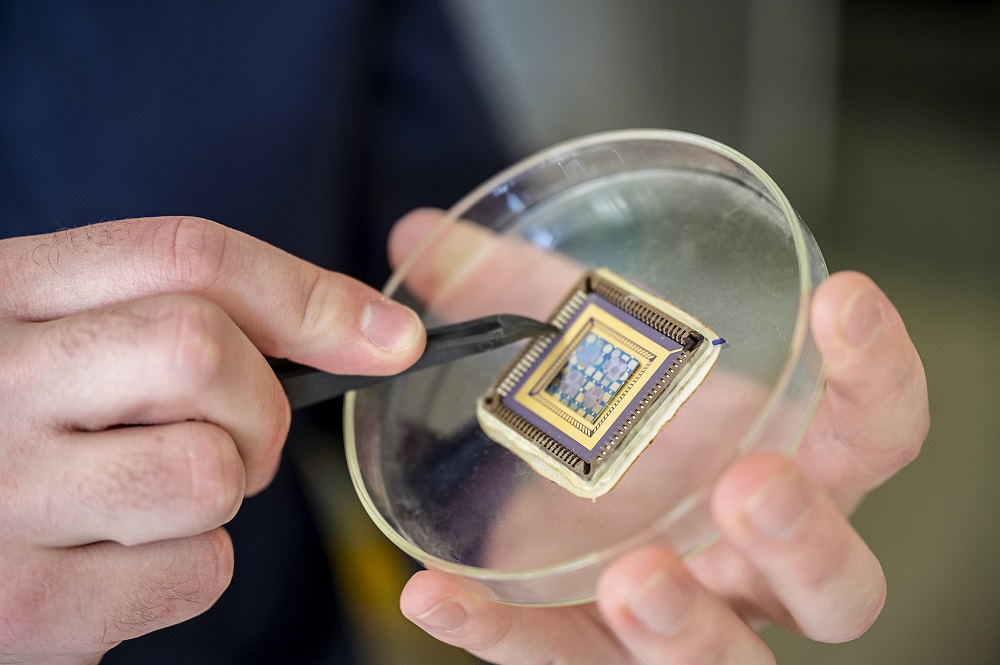
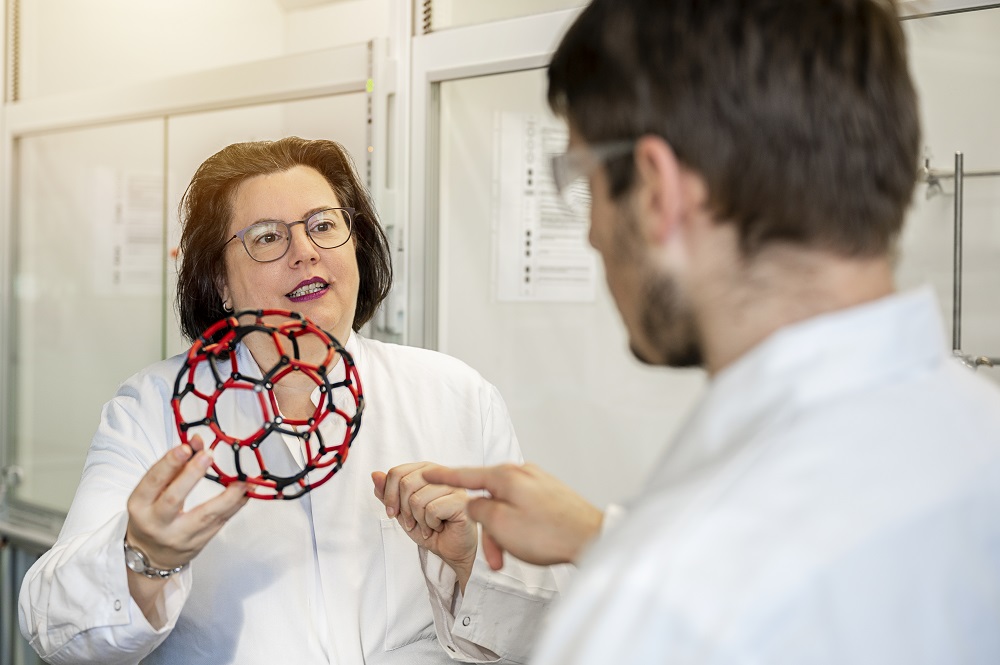
The increasing importance of nanotechnology as a specialist field was an important argument for my choice of this degree programme. During my studies, my hope for versatility was not disappointed, on the contrary - I particularly liked the freely selectable specialisations.
Dipl.-Ing. Otto Dreier - Engineer for Nanotechnology, research assistant in the RoBiMo research project at TU Bergakademie Freiberg
Introduction to the degree programme
Diploma programme in Nanotechnology
The world of materials
Rankings