Together with science entertainer Joachim Hecker, TUBAF coordinator Kathrin Häußler and photographer Andreas Hiekel are travelling across the Mongolian steppe. They have already put on two mini science shows at schools in Darkhan and Orkhon. The trip will culminate in a major JuniorUni event for the pupils – modelled on the JuniorUni successfully organised in Freiberg by the local network ‘Junior Researchers at the TU Bergakademie Freiberg’. The team is now sending an interim report from Karakorum, the former capital of Mongolia.
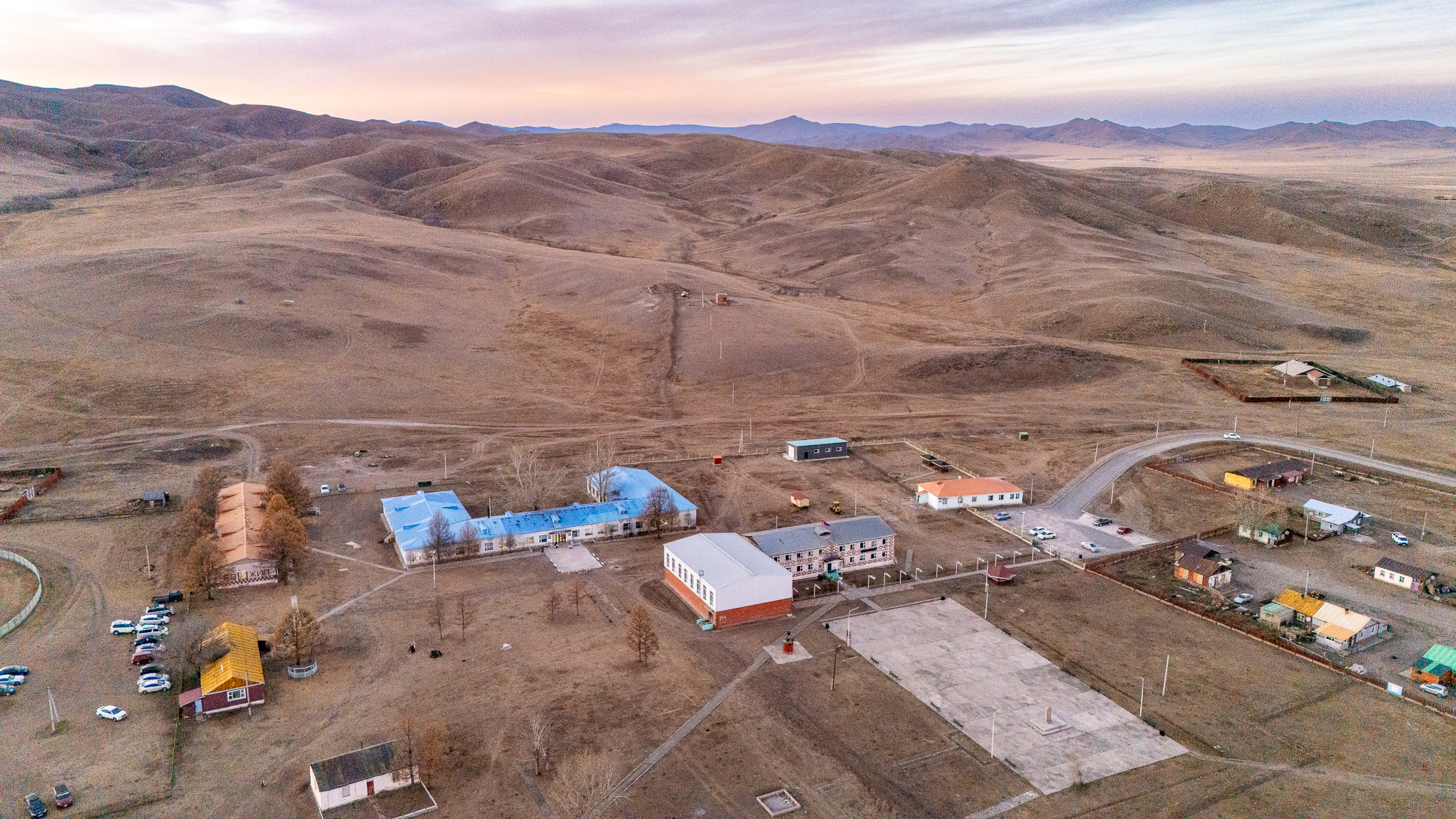
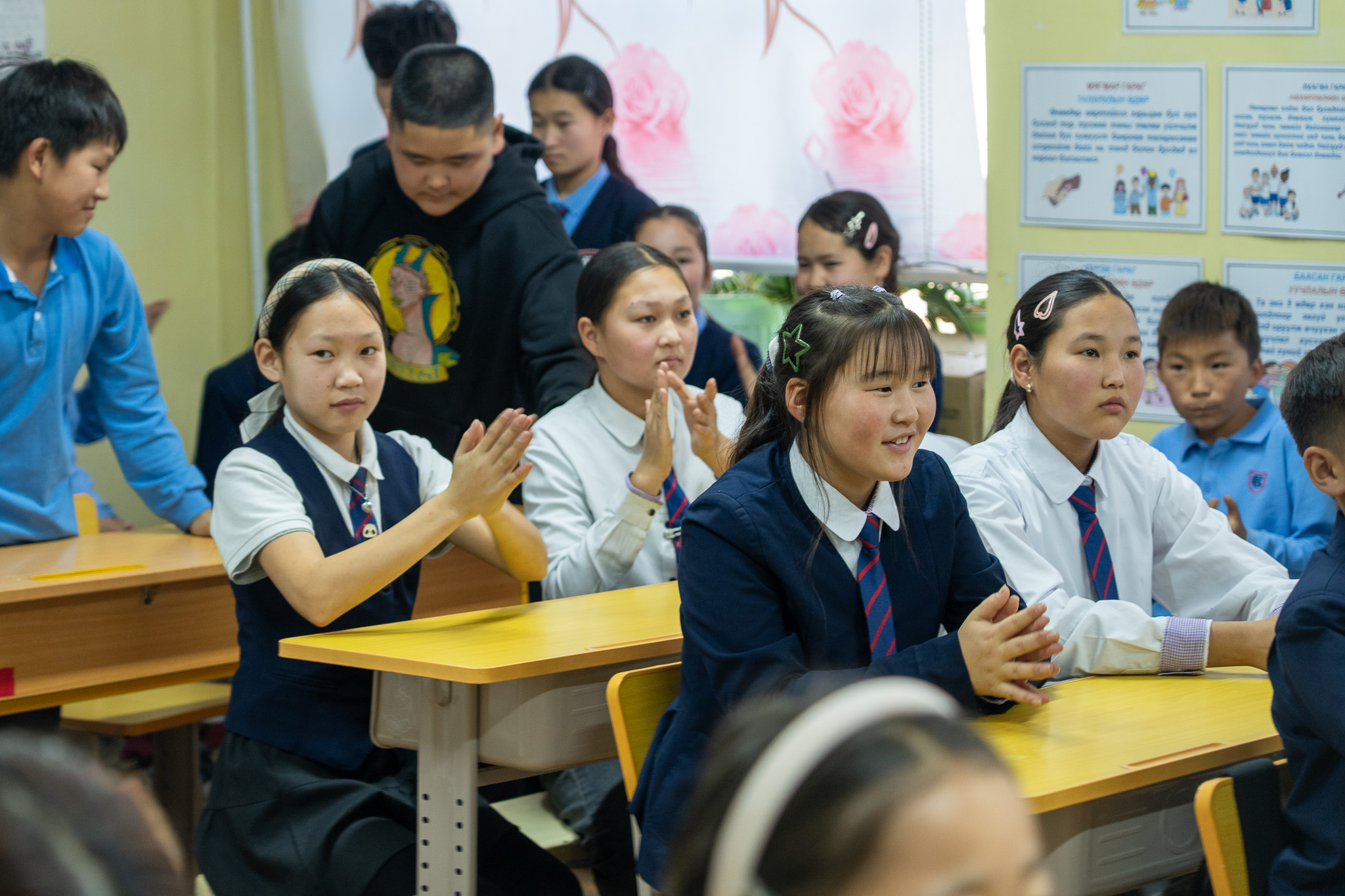
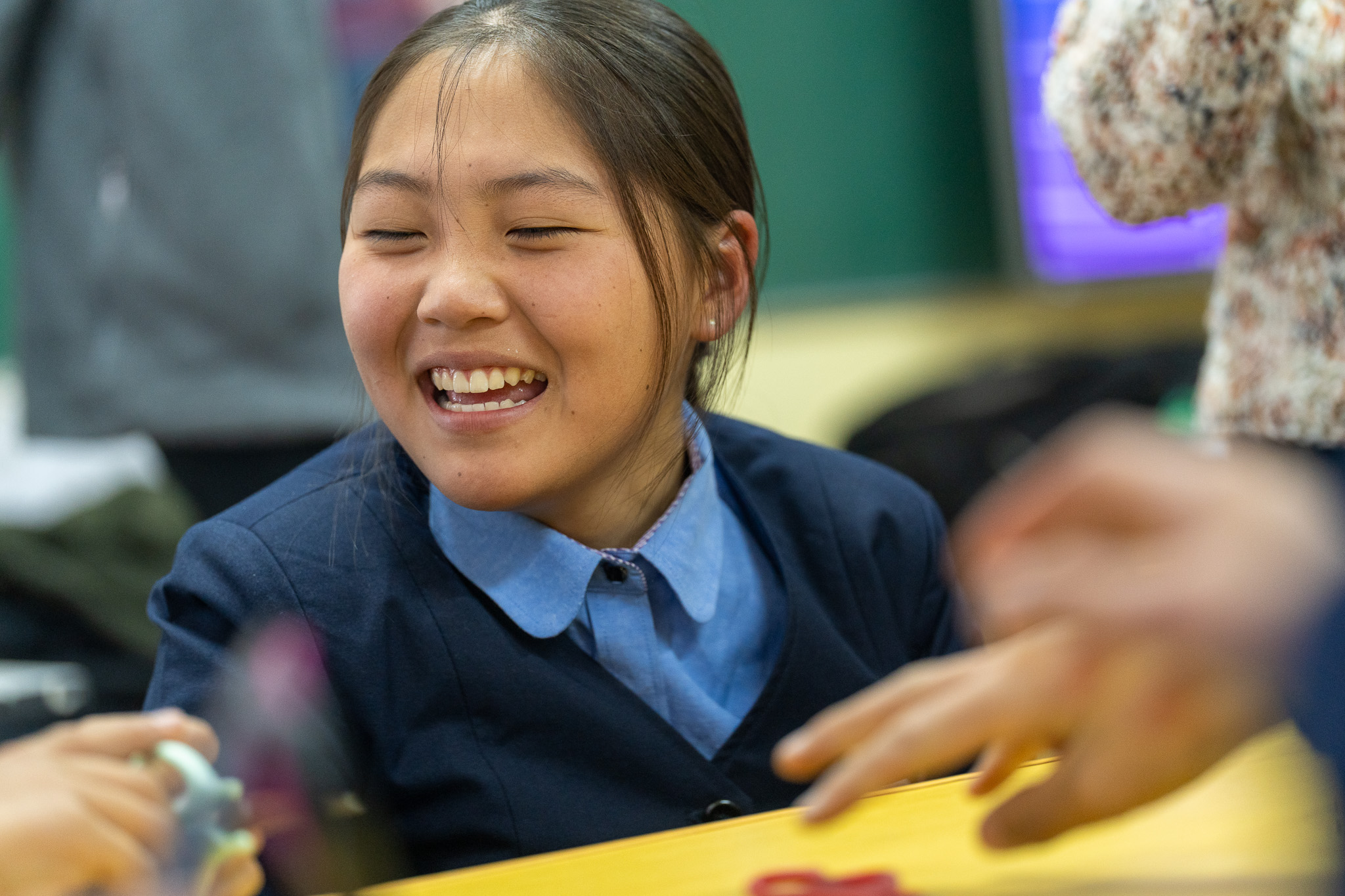
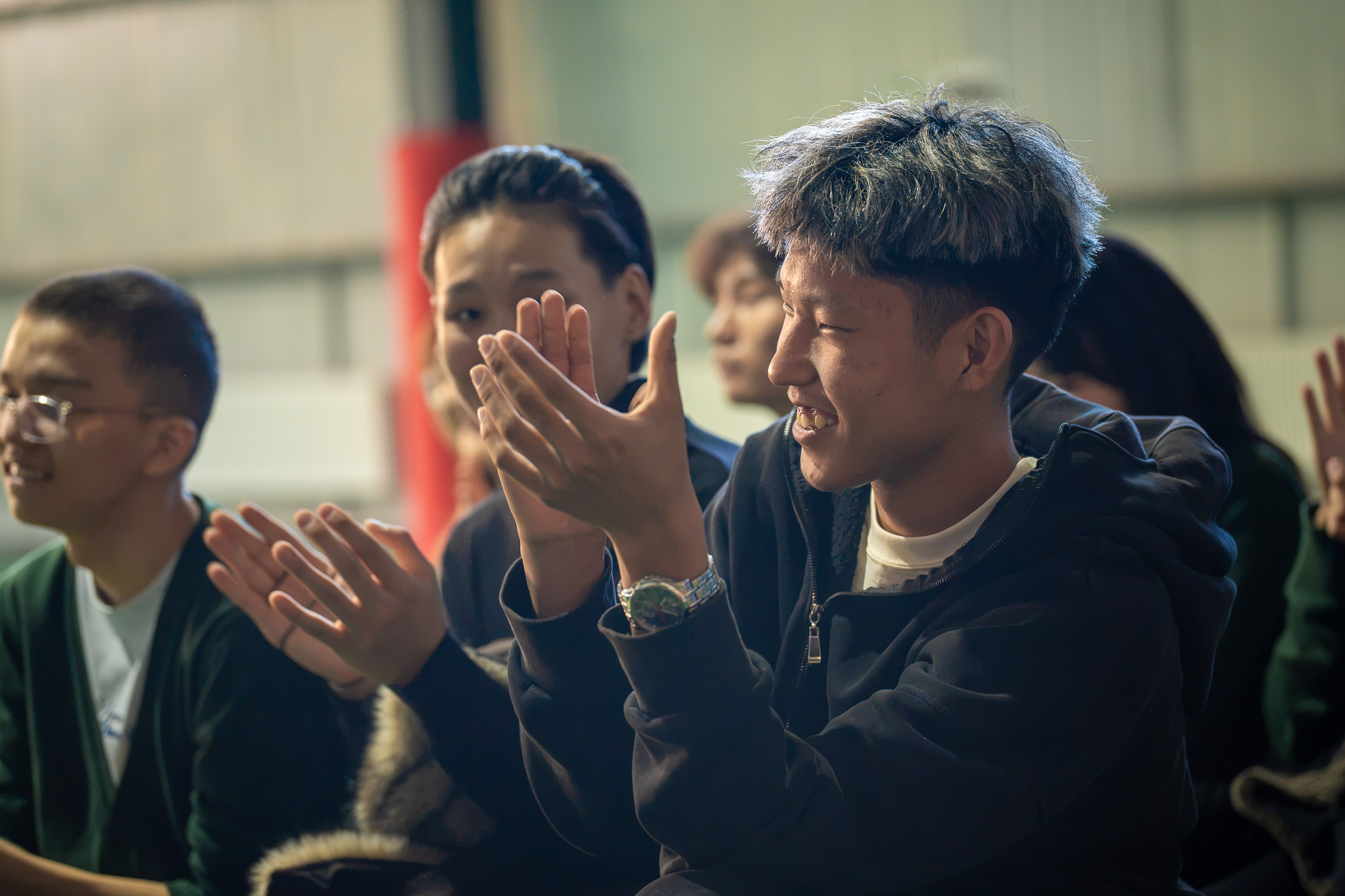
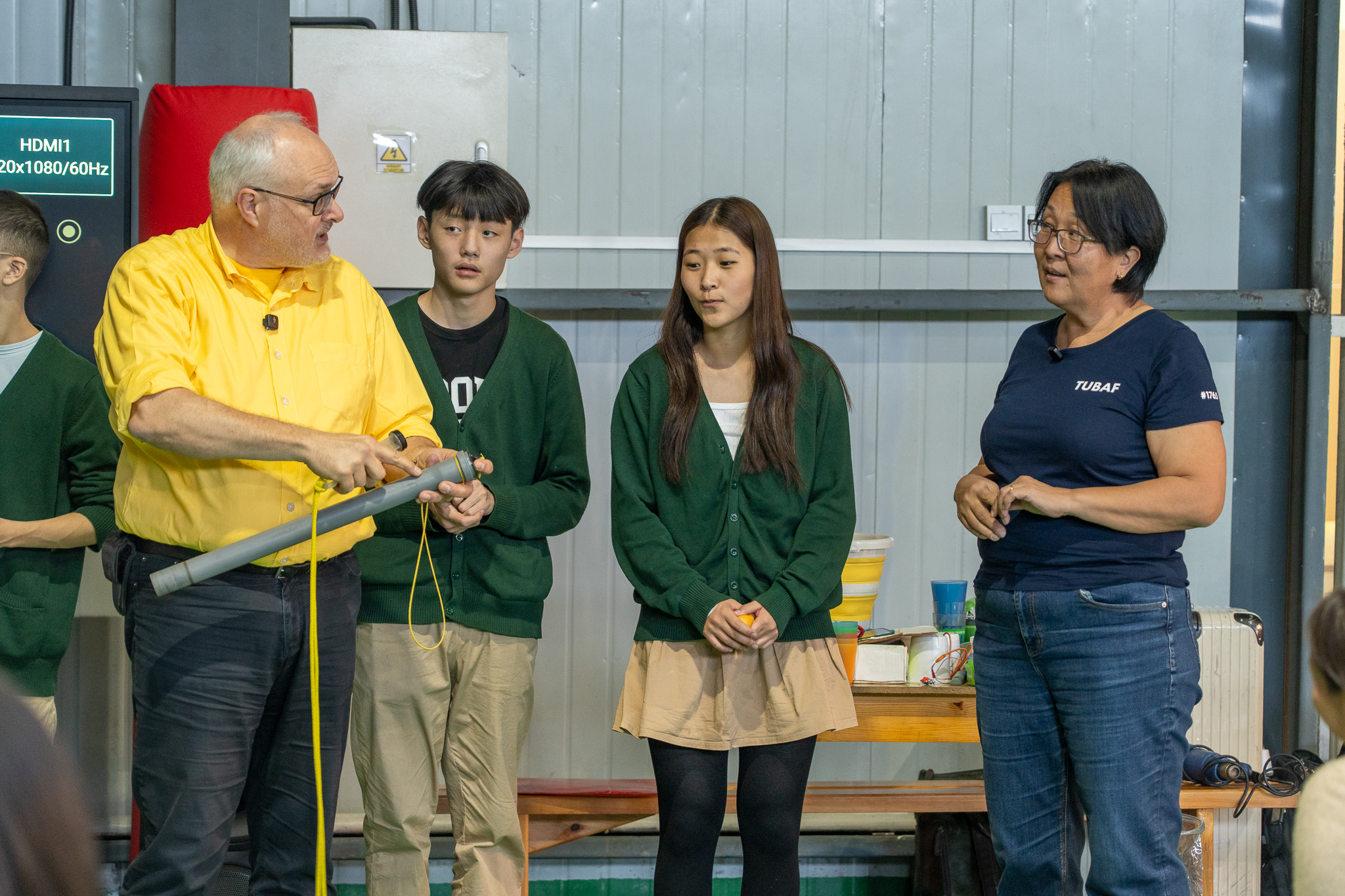
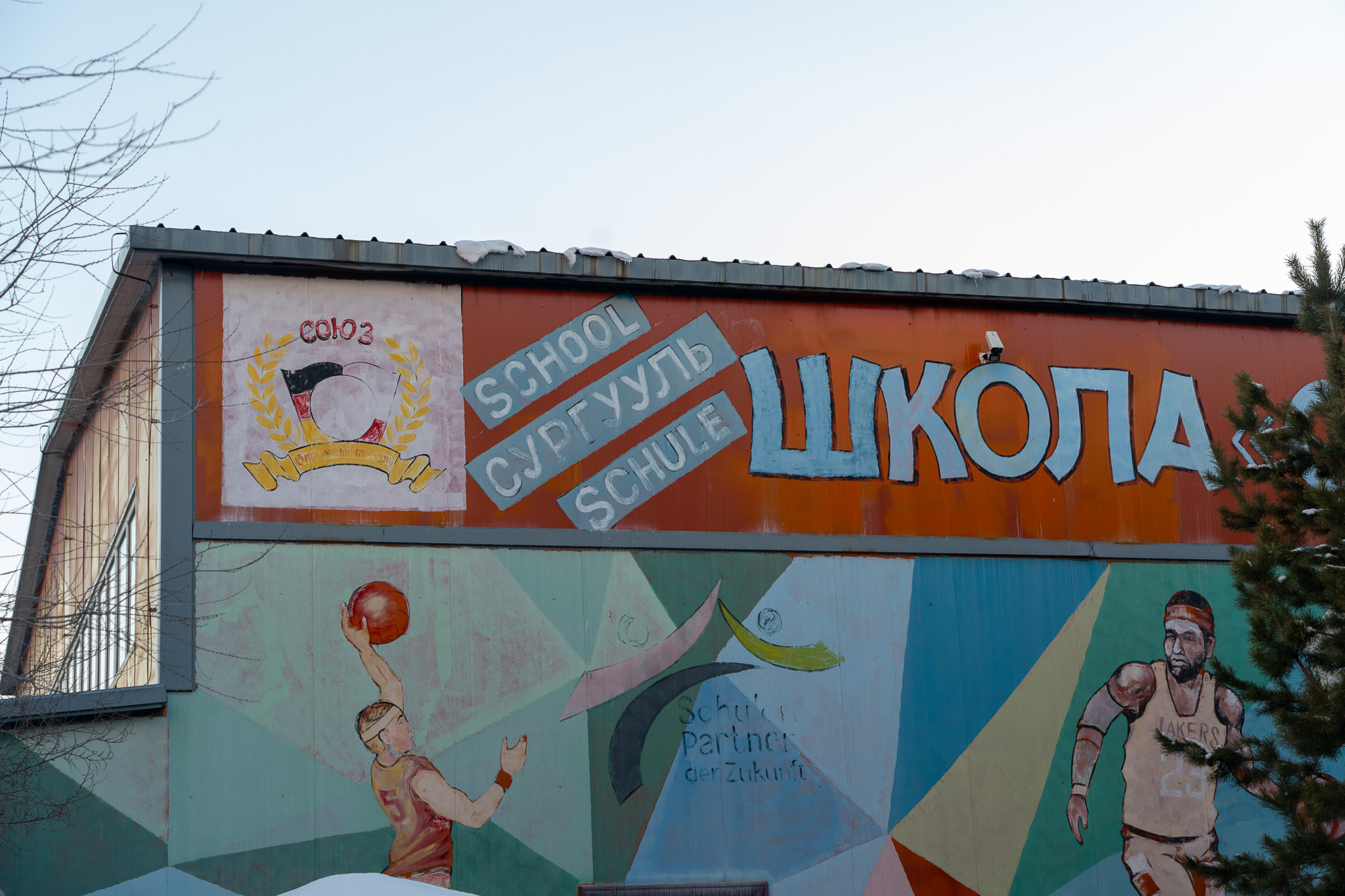
The photos were taken at schools in Darkhan and Orkhon. What exactly took place there?
Joachim Hecker: A mini science show in the classroom. For example, I turned one pupil into a ‘cyborg’ – that is, a combination of human and machine. She was then connected to a robotic gripper via three electrodes on her arm and could control it with her hand movements: clenched fist = gripper closes, open hand = gripper opens.
At the end of the trip, the first Mongolian JuniorUni, modelled on the Freiberg example, is to take place – with what aim?
Kathrin Häußler: In 2025, we presented the project “Nomadic Children” to the then director of the Goethe-Institut in Ulaanbaatar and also discussed the possibility of organising a children’s university for schools in the PASCH network in collaboration with the Mongolian University of Science and Technology, the Goethe-Institut and the Saxon Liaison Office. This idea is now set to become a reality: I am certain that in Ulaanbaatar, too, we will see just how enthusiastic children are when they get to experience a special lecture in a university lecture theatre. And we are keen to find out what our colleagues think of the first Junior University based on the Freiberg model in Mongolia.
Andreas Hiekel is accompanying the trip as a documentary filmmaker. What is special about the ‘Nomadic Children’ project?
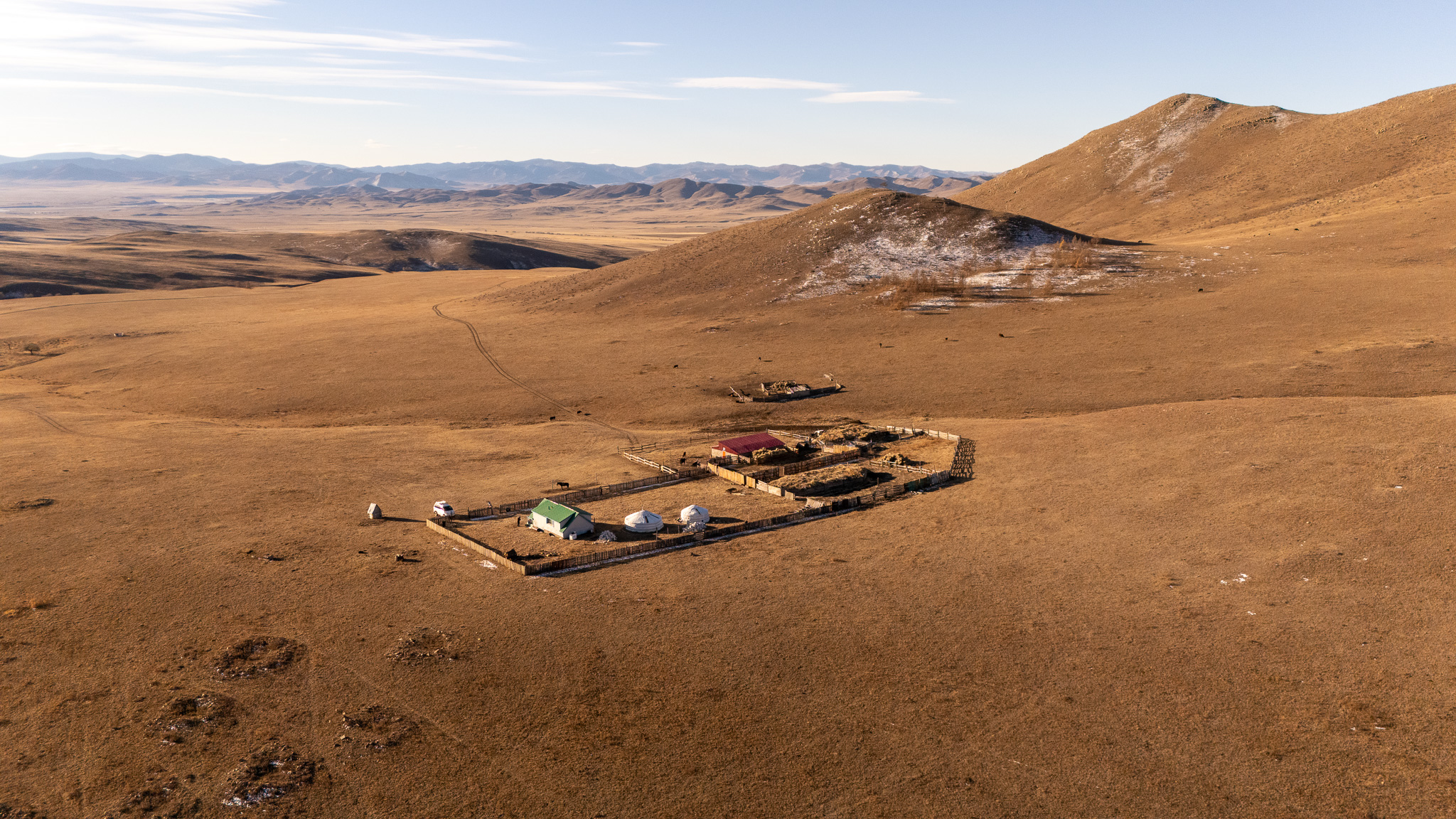
Andreas Hiekel: We bring science directly to the people and, in doing so, get to know ways of life that differ considerably from our own in Germany. Particularly in Mongolia, with its vast distances, sparsely populated regions and extreme climatic conditions, it becomes clear just how valuable such educational opportunities are!
As a documentary filmmaker, my main aim is to highlight the people, their stories and the significance of the project. However, covering the project through media is an enormous challenge: long journeys, changing filming locations, limited charging facilities and unreliable internet connections call for a great deal of improvisation.
I am constantly deciding which stories to tell, which images are truly important, and how best to do justice to the people in front of the camera. Planned scenarios often change depending on the situation – and many special moments simply cannot be recreated!
And how does the team experience its encounters with the Mongolian young people and teachers?
Kathrin Häußler: Open and on an equal footing, with a great deal of interest and curiosity, and a desire to try things out and experience them right there and then. And I’ve found the children to be curious, cheerful and very bright, taking part in the hands-on experiments with great enthusiasm.
Joachim Hecker: I’ve found the children – and the adults too – to be very open, curious and enthusiastic. Not at all intrusive and extremely hospitable.
Andreas Hiekel: The people in Mongolia are very warm, curious and extremely helpful. I have rarely experienced this to such an extent in my work.
About the ERASMUS+-Project Nomadenkinder
The local network "Junior Researchers at TU Bergakademie Freiberg" (renamed in 2021)—part of the university’s communications department—has been active since 2008 in the field of early childhood education. It focuses specifically on the professional development of educators from approximately 90 preschools and primary schools across the district of Central Saxony (Landkreis Mittelsachsen). The training covers various STEM-related topics as well as education for sustainable development, with the explicit goal of sparking children's interest and curiosity in nature and technology as early as possible. Alumni of TU Bergakademie Freiberg (TUBAF) from Mongolia have proposed developing a similar initiative in their home country. The Mongolian University of Science and Technology in Ulaanbaatar has also expressed strong interest in adapting this strategy for boarding schools—a project concept referred to as "Nomadic Children"—and in providing relevant training and professional development for teachers. TUBAF is able to contribute its extensive experience and educational materials to support this endeavor. The "Nomadic Children" project is an integral component of TUBAF’s current ERASMUS+ program for Mongolia (2024–2026).