About Teacher Twinning
Teachers from partner universities TUBAF and Lappeenranta University of Technology, and two Ukrainian universities Dnipro University of Technology and Sumy State University have created co-teaching teams, so called Teacher Twins.
The goal was to create new or improved learning resources, such as courses, tutorials, workshops, virtualised lab experiments or technical infrastructure for digital cooperation. TUBAFdigital facilitated and continues to support these activities by:
- Identifying and matching the teachers and establishing contact
- Providing consultation and technical support for digital educational resources, e.g., cameras, software, video editing, and OPAL courses
- Financial support for activities, equipment, etc.
Below, you can find more detailed information about the courses and materials that the Twins developed, and further information on activities and special highlights of the project.
In case of questions or ideas for the future: Don't hesitate to get in touch with us. We are very interested in continuing the twinning even after EdUp's project end. Contact information:
https://tu-freiberg.de/tubafdigital/das-sind-wir-team-tubafdigital
Teacher Twin Projects
Filming the Sciences - Creative Communication across Disciplines
T. Kuvaieva, M. Jacob, D. Kilian
The film project combines Dr. Kuvaieva’s journalism and marketing class with chemistry and foundry technology students. Mixed Ukrainian-German student groups developed ten short movies that combined technical knowledge with communication skills.
The movies were rated by school classes and awarded in several categories. The final presentation in the form of a hybrid film festival took place at the 12th of June 2025.
Exploring Mineral Collections in the Digital Space
G. Heide, A. Weber, C. Kehrer – S. Shevchenko, M. Ruzina, I. Nikitenko, Y. Dementieva,
The mineralogy project aims at complementing each other’s strengths to develop a co-taught course for diagnostics and lab-based analysis of gemstones, ore minerals and the digitalization of petrographic collections. It combines the scientific perspective on geoscientific collections with a cultural point of view, where the specimens constitute a part of the natural and cultural heritage.
Two PhD students from Dnipro University of Technology visit Freiberg to work on the digitalization of Dnipro collection objects in TUBAF labs during November 2025.
How Proteins Mingle: Co-learning with Computational Methods
C. Hübler, Y. Voronkova
The project aims at enriching a biochemistry class by modern computational methods for the simulation of interactions between proteins, or proteins and ligands. The students will get to know suitable software, modelling approaches and explore useful databases. Students will have the opportunity to discuss results Freiberg’s HPC to perform advanced tasks.
Machine Learning: From Concept to Implementation
B. Sprungk, D. Babets, A. Chekhanova
The Machine Learning course aims to provide a comprehensive understanding of machine learning concepts, starting from mathematical foundations and progressing to practical implementation using Python. In a co-teaching approach, the students will receivetheoretical input and do hands-on sessions to start coding with Python themselves.
Mining and Society: A Multifaceted Relationship
A. Cherep, C. Drebenstedt
The course explores the intersection of mining practices and the UNESCO Development Goals, focusing on their implications for sustainable development in resource-rich regions. It examines the potential of mining to contribute to economic advancement while addressing the challenges posed by environmental degradation, social displacement, and inequitable resource distribution. Students discuss case studies and best practice examples.
Applied Mechanics: Case Studies for Solving Engineering Problems
S. Onyshchenko, M. Kröger
In the fields of statics, kinematics, dynamics and material strength, the course comprises web-workshops dedicated to solving the engineering problems. The problems are presented as case studies – identification – formulation – selection of a solution method – problem solving – analysis. The key point of the web-workshops is in using the modern CAD software to solve the engineering problems.
Sustainability and Resilience: Aspects of Modern Supply Chain Management
A.Bardas, M. Boichenko, M. Czyrnia, B. Gaidzik
The lecture series will consider risks to supply chains’ sustainability and analyze how technical disasters, natural factors, political and military conflicts may affect the global supply chains, and how much it may cost for the customers.
Learning in a Remote Lab: Mechatronics meets Robotics
D. Beshta, O. Beshta, A. Dietrich, S. Zug
One edrys-lite “classroom” can host multiple identical hardware setups, enabling simultaneous online control and remote access for students.This approach allows scalability: a single course can accommodate more students without losing hands-on experience.
The team already established a joint embedded systems programming lab based on Arduino, featuring two remote setups (one located in Ukraine, one in Germany). The project lies the groundwork for the creation of labs or redesign of existing ones, to allow students to work interactively and collaboratively on remote lab setups on the crossing point of Embedded Systems Programming, Mechatronics and Robotics, Mechanical Engineering and Control Engineering.
Ukrainian Summer School in Mathematics and Combinatorics
O. Pikhurko, J. Carmesin, M. Kroeger
The summer school was arranged as a mix of lectures of invited speakers, minicourses and problem solving workshops. During their stay in Freiberg, the participanting students from Ukraine gained exciting insights into hot topics in combinatorics and took advantage of the opportunity to meet researchers in person. A great networking opportunity for early-career Ukrainian mathematicians!
Immersive University: Aligning Education to Younger Generations' Needs
A. Artyukhov, L. Chechurin
Students, like other young people, are addicted to their gadgets. Millennials spend an average of 2.5 hours on social media; according to other sources, teenagers use an average of nine hours of entertainment media per day and spend nine hours a day with digital technology. Thus, effective self-learning of students is also connected with gadgets. It is necessary to "immerse" students in an educational environment that fits their comfort zone. The project aims on implementing a self-paced Microcredential course for teachers, guiding them through the process of designing an immersive learning experience.
Activities
Project Activities
- Teacher matching process
- Concept development and implementation together with teachers (see project descriptions)
- Support framework for setting up, producing and managing the projects
- The projects have already been piloted or are currently in the realization phase
EdUp Concluding Workshop
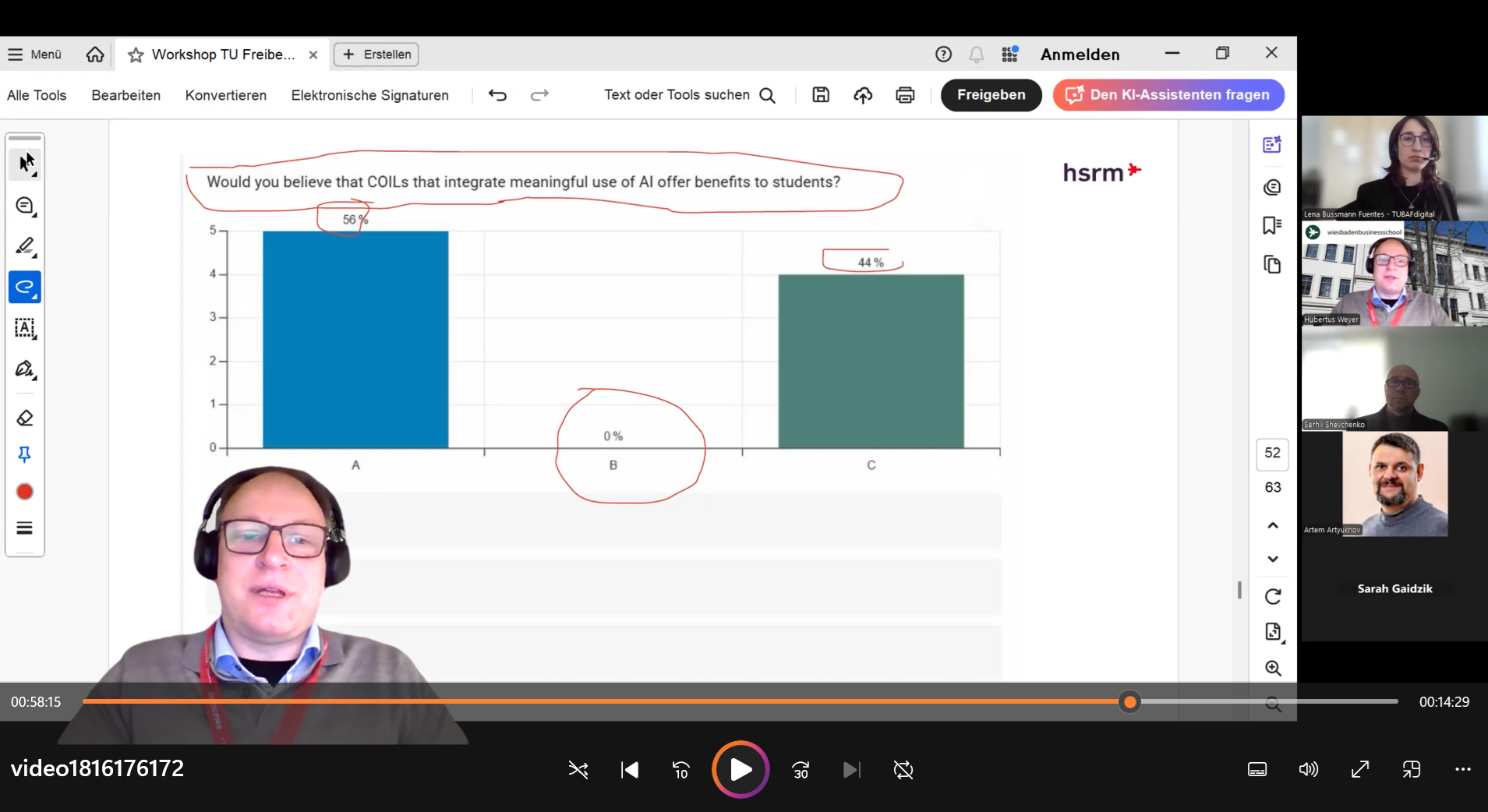
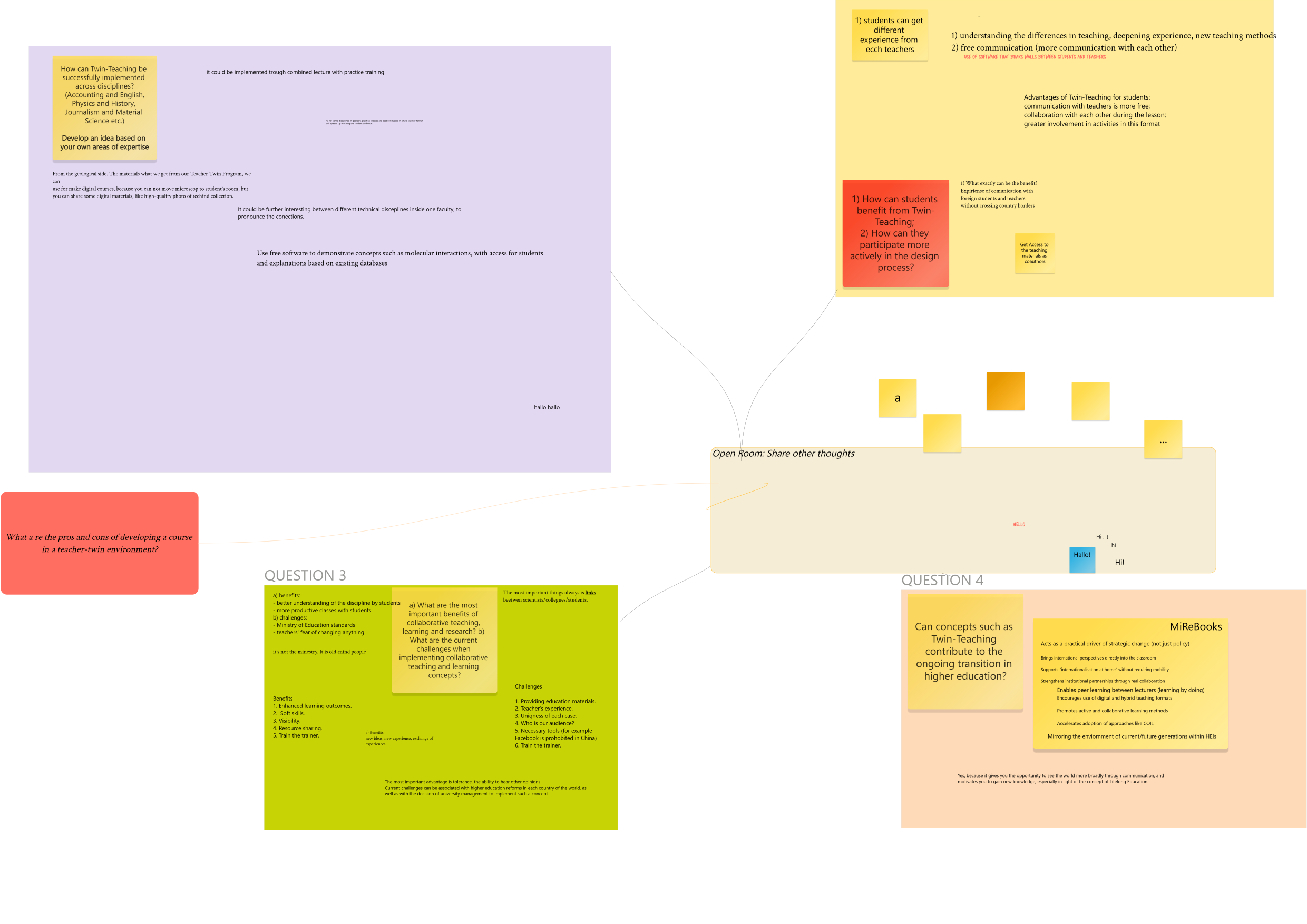
On March 18, 2026, participants of EdUp came together for a concluding, virtual workshop.
After a brief recap of the past two years of the project, the work packages, and the results, COIL and co-teaching guest expert Hubertus Weyer (Wiesbaden Business School) provided participants with a fundamental introduction to the methodology of collaborative teaching and learning formats. In his presentation, he discussed cutting-edge topics in human-centered collaboration in the age of AI. In doing so, he raised some thought-provoking questions: Why do education systems need to change? How can Collaborative Online International Learning formats support this change? And how can we leverage AI technologies in this process?
Following this, the participating Twin partners discussed various aspects of the topic in breakout rooms, drawing on their own co-teaching experiences during EdUp, such as the advantages and disadvantages for students or the role of co-teaching in the process of reforming the higher education system.
We were delighted to share this concluding moment of reflection with the participants, and grateful for all the inspiring insights from our guest Hubertus Weyer, and our colleagues and project partners.
EdUp - Winter School
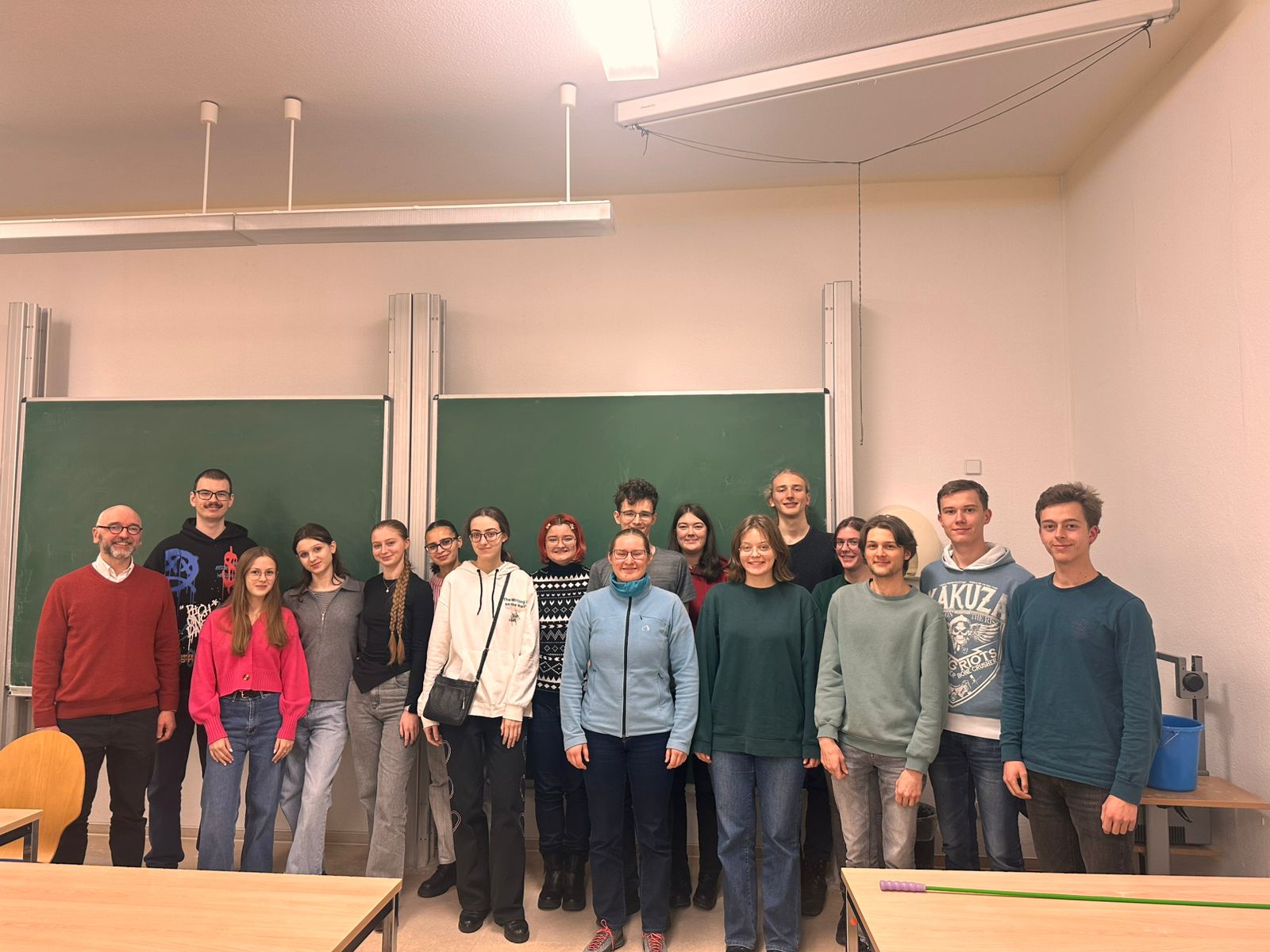
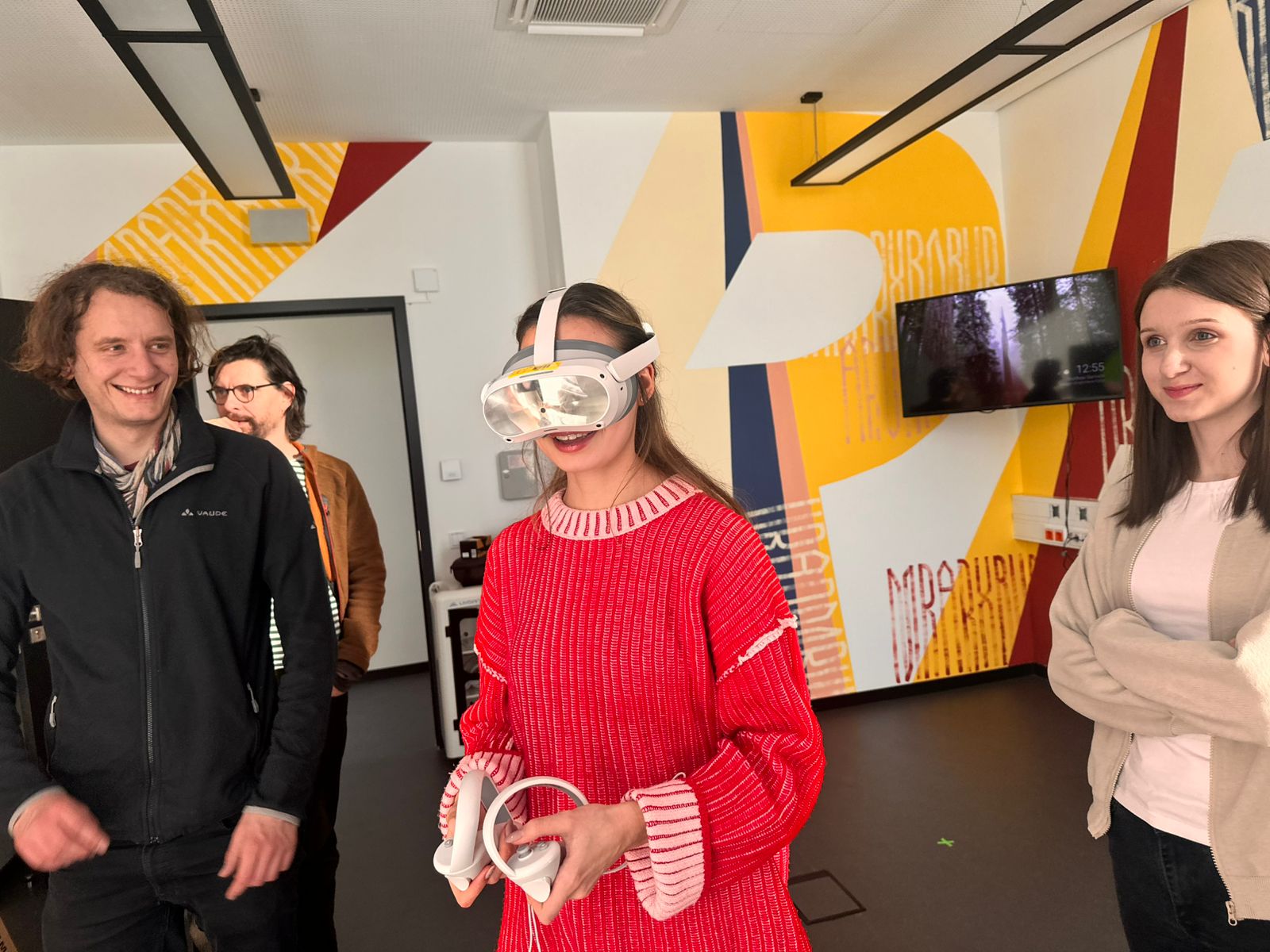
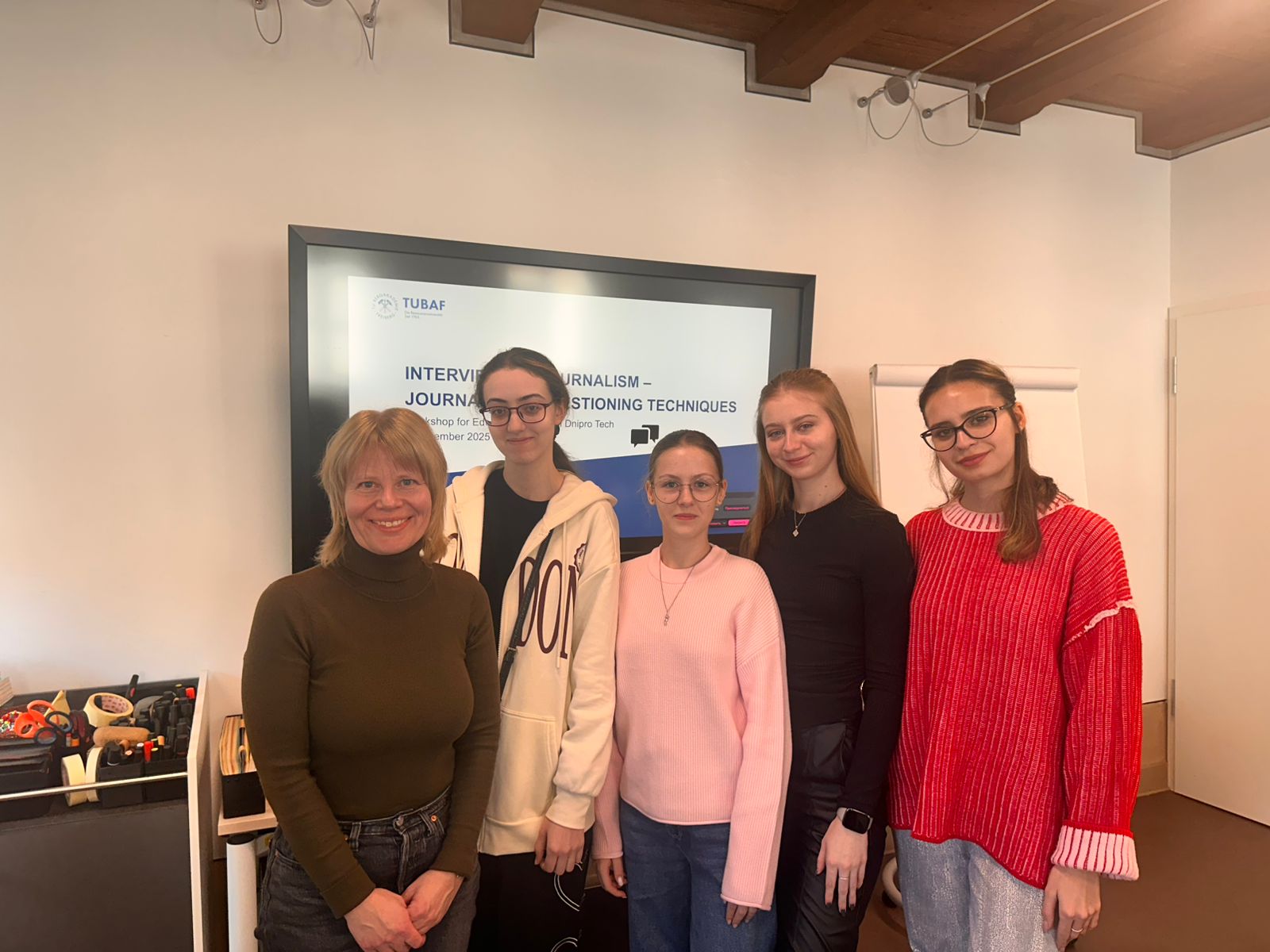
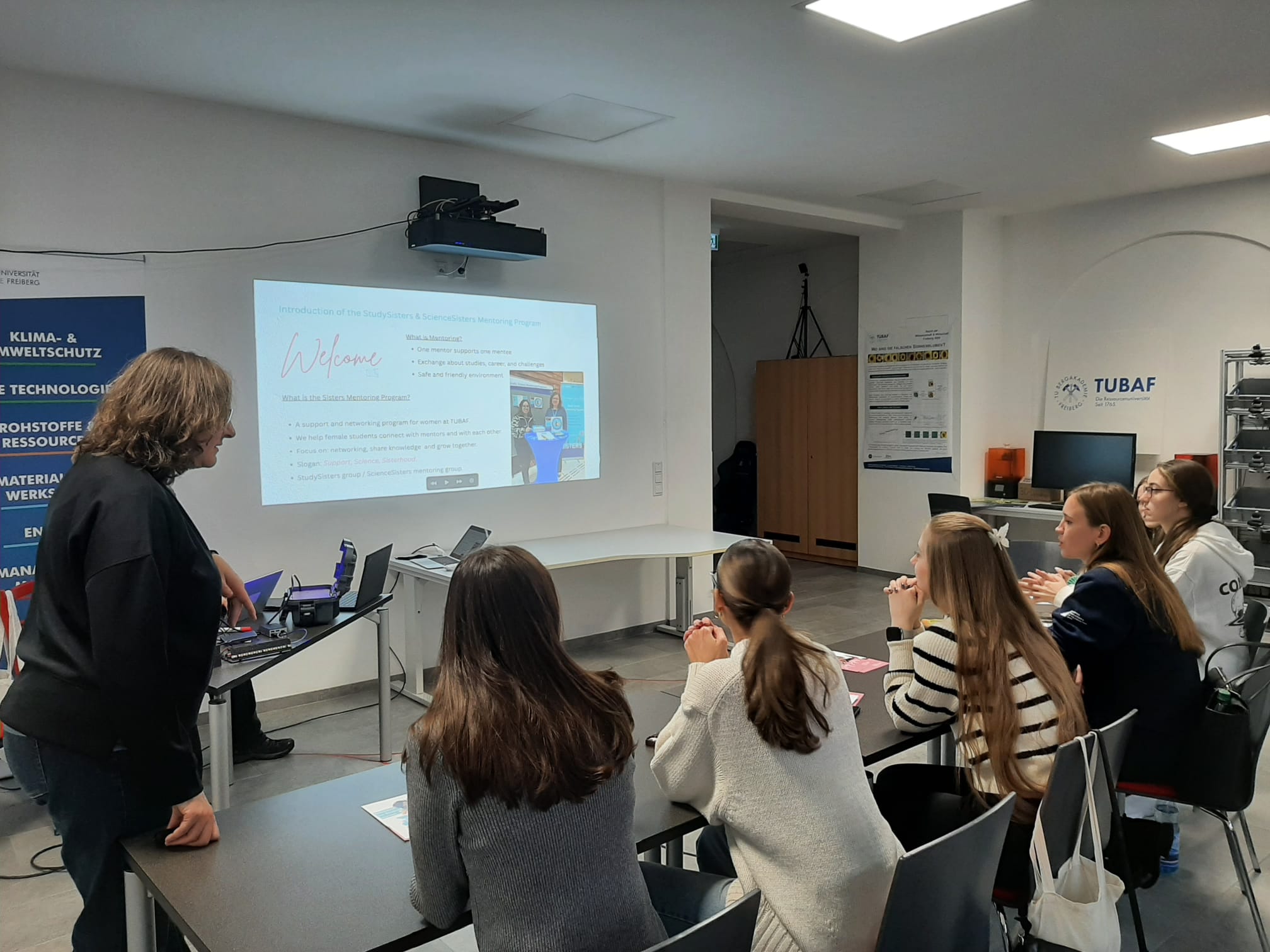
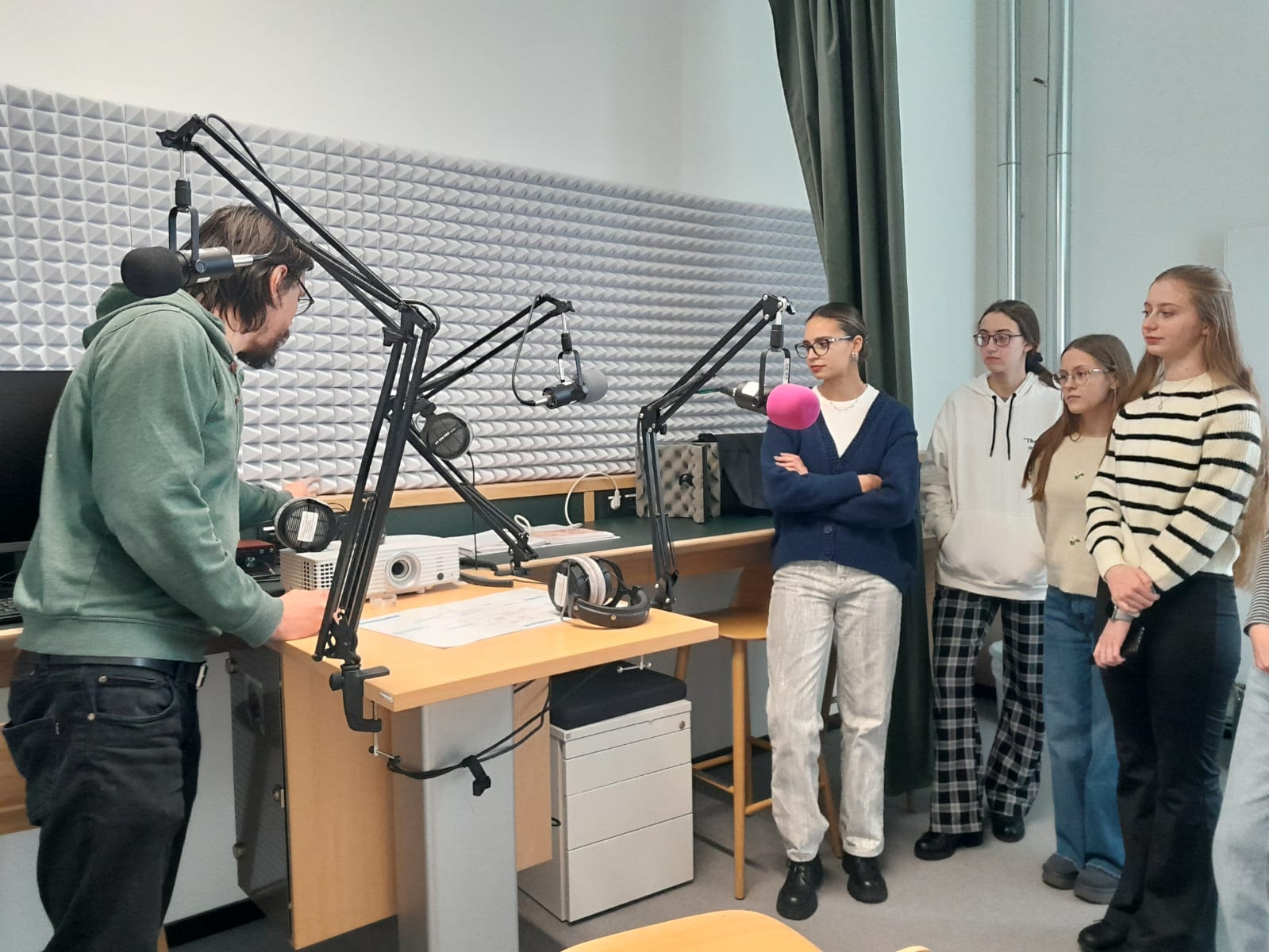
We're excited to welcome the Teacher Twin partners from Dnipro University of Technology, Dr. Tetiana Kuvaieva and Dr. Kateryna Pilova (remotely), together with five of their students. The group stayed in Freiberg between 20.11. and 04.12.2025, and participated in our Winter School that comprises a diverse programme of workshops, practical projects and intercultural activities. We are especially happy about the contributions of other TUBAF colleagues and facilities: The University Library and Podcast Studio, the Behavioral Research Lab, the Media Relations and Social Media team, the RoboLab and GraFa, the Historicum, and IUZ/Languages.
During the past summer semester, Darlene Kilian and Dr. Mark Jacob from IUZ/Languages formed a Twin with Dr. Kuvaieva. The students from Dnipro and Freiberg were tasked with producing short films together. Marketing and journalism students worked with peers from the fields of chemistry and materials science to develop various scientific explanatory and advertising formats. The project itself took place in COIL (=Collaborative Online International Learning) format; thanks to the on-site visit to Freiberg, COIL is now becoming a BIP, i.e. a Blended Intensive Programme. Blended Intensive Programmes (BIPs) offer teachers and learners new and creative opportunities for international educational cooperation and participation in jointly designed courses.
The students created two podcasts on the topics “Inside the COIL Experience” and “Study Life Unfiltered”. They also produced videos for Instagram and YouTube about the partnership between Dnipro University of Technology and TU Bergakademie Freiberg, and highlighted historical parallels between our two cities.
Teacher Twin partners visit the Institute of Mineralogy
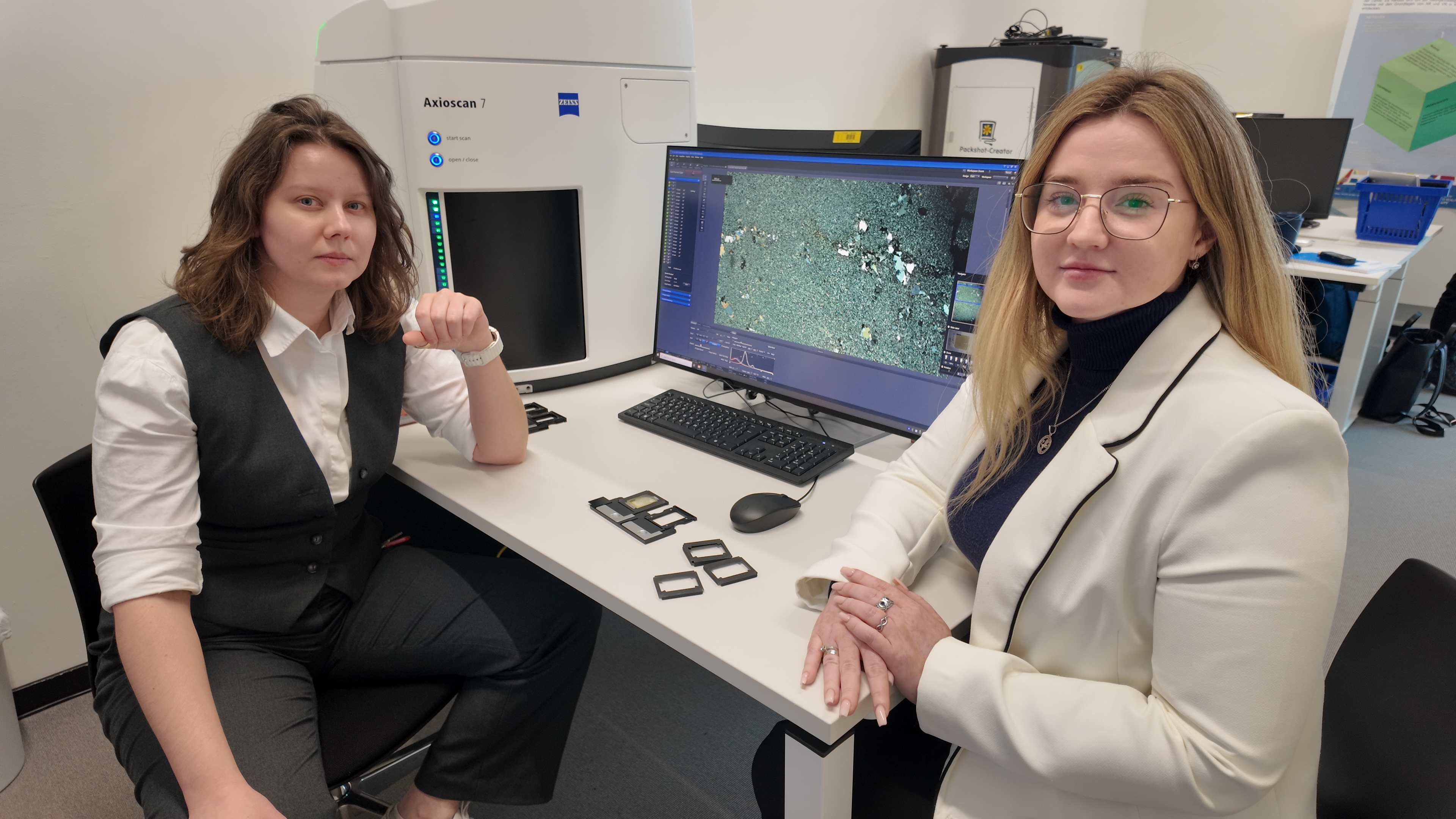
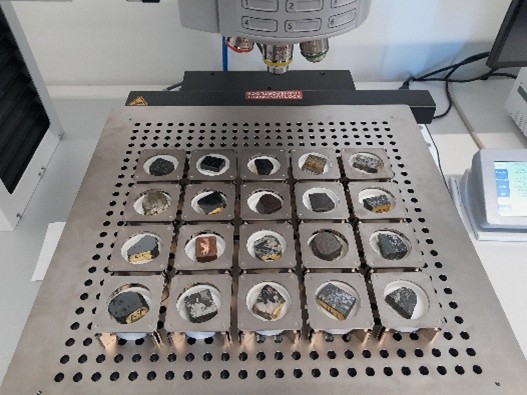
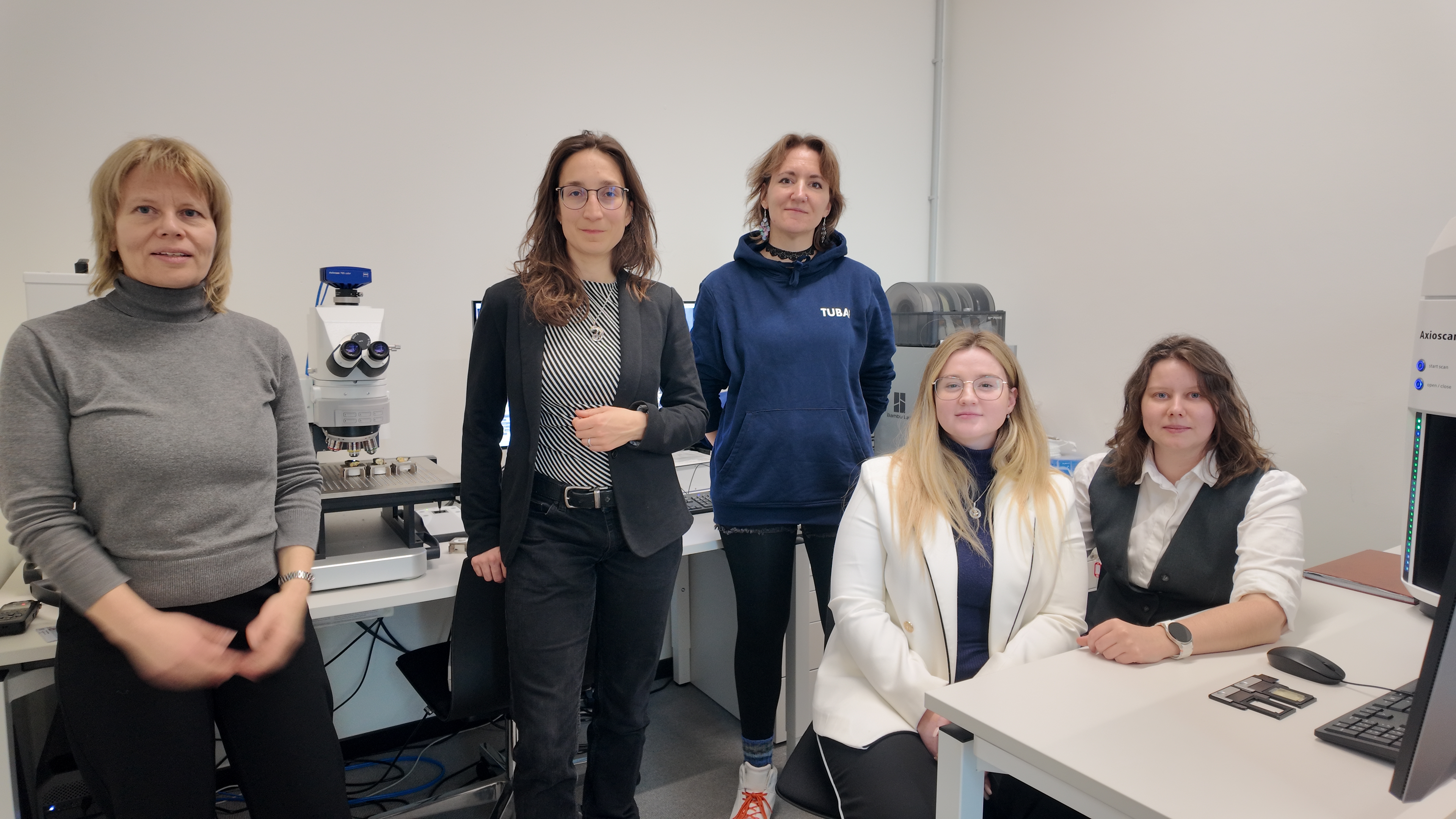
As part of the EdUp project ‘Teacher Twinning’, the TUBAF Institute of Mineralogy/Chair of General and Applied Mineralogy is hosting two visiting scientists from our Ukrainian partner university DniproTech (Dnipro University of Technology). The aim of their Twin collaboration is to develop a jointly designed course to enable students to learn how to study and characterise minerological and petrological samples. As practical training on the object at DniproTech is severely restricted due to the ongoing war, digital copies from DniproTech's geoscience collection are now being used for this purpose. To produce the digital copies, TU Bergakademie Freiberg is providing special geological scanners for thin sections and polished sections in the ScienceLab of the university library.
The two guest scientists Yelyzaveta Bodryaho and Dr. Yevheniia Dementieva from the Dnipro Department of Geology and Mineral Prospecting are visiting TU Freiberg in the first weeks of November 2025 to carry out the necessary preparatory work, with Prof. Dr Gerhard Heide, Dr Christin Kehrer and Anja Weber provide technical and scientific support. The guests brought unique collection objects from Dnipro with them, create digital scans of them in Freiberg and stream lectures directly from the TUBAF laboratories for their students in Dnipro. The digitalized objects are not only used in Dnipro, but also published as open educational resources on TUBAFmedia.
The visit is kindly funded by Erasmus+.

What's new

Film Festival (Twin Project)

Presentation at the Workshop on e-Learning 2025

Teacher Twinning Meeting

Consortium Meeting

Joint presentation of the Teacher Twin Film Project

Teacher Twin Project: Summer School in Combinatorics

Twin Course: Modeling interactions of high molecular weight compounds
Staff Week in Freiberg
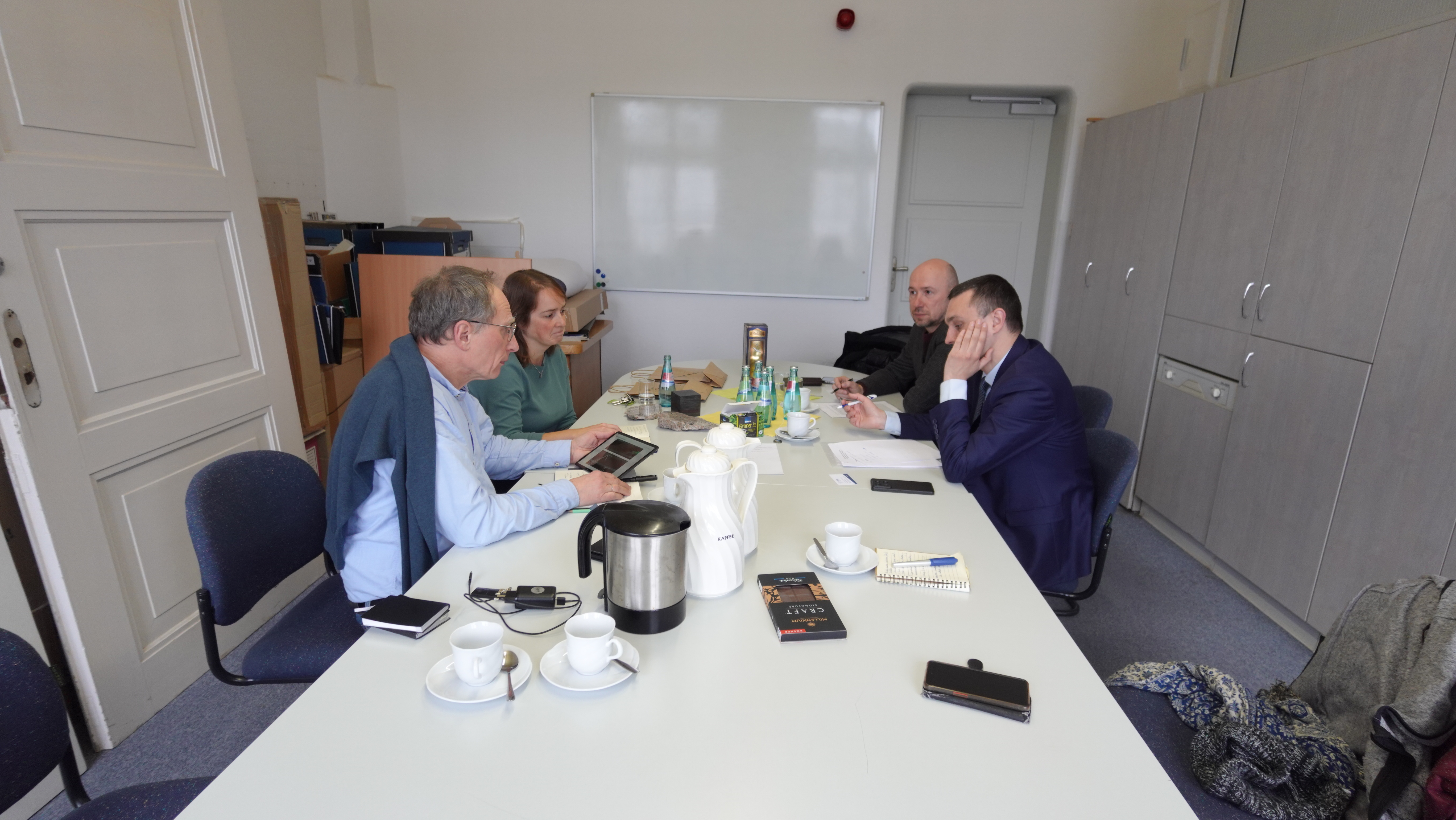
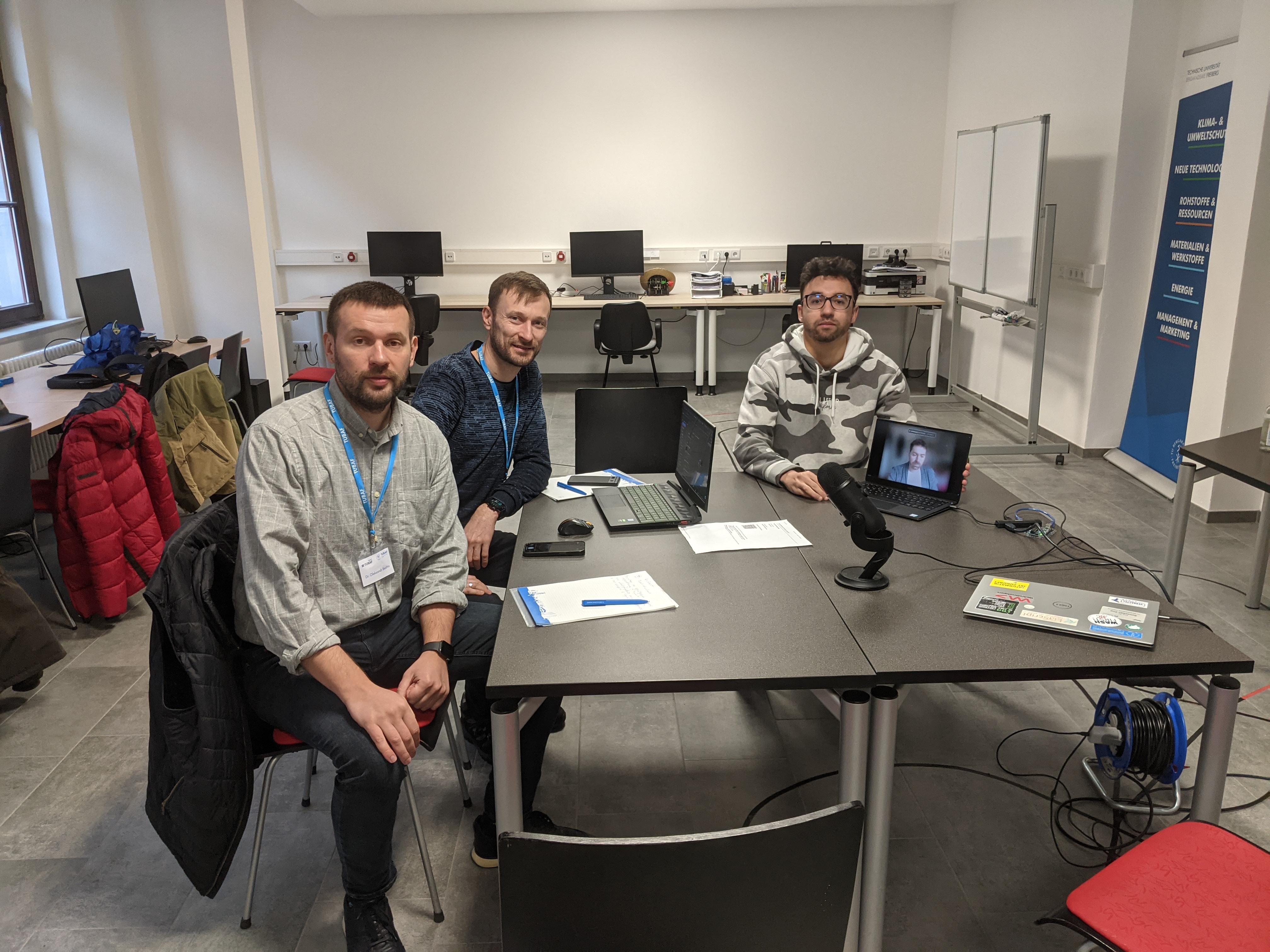
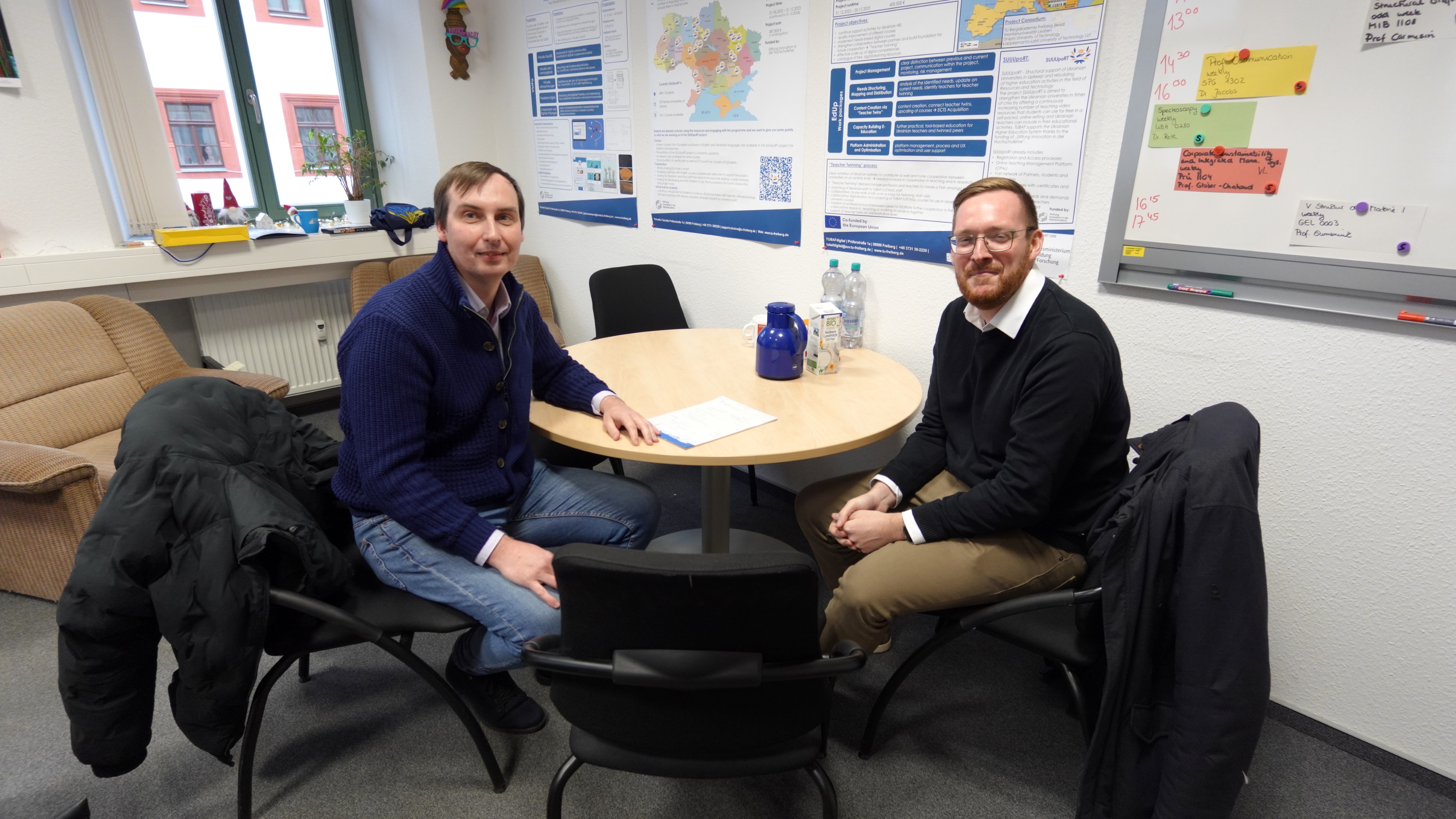
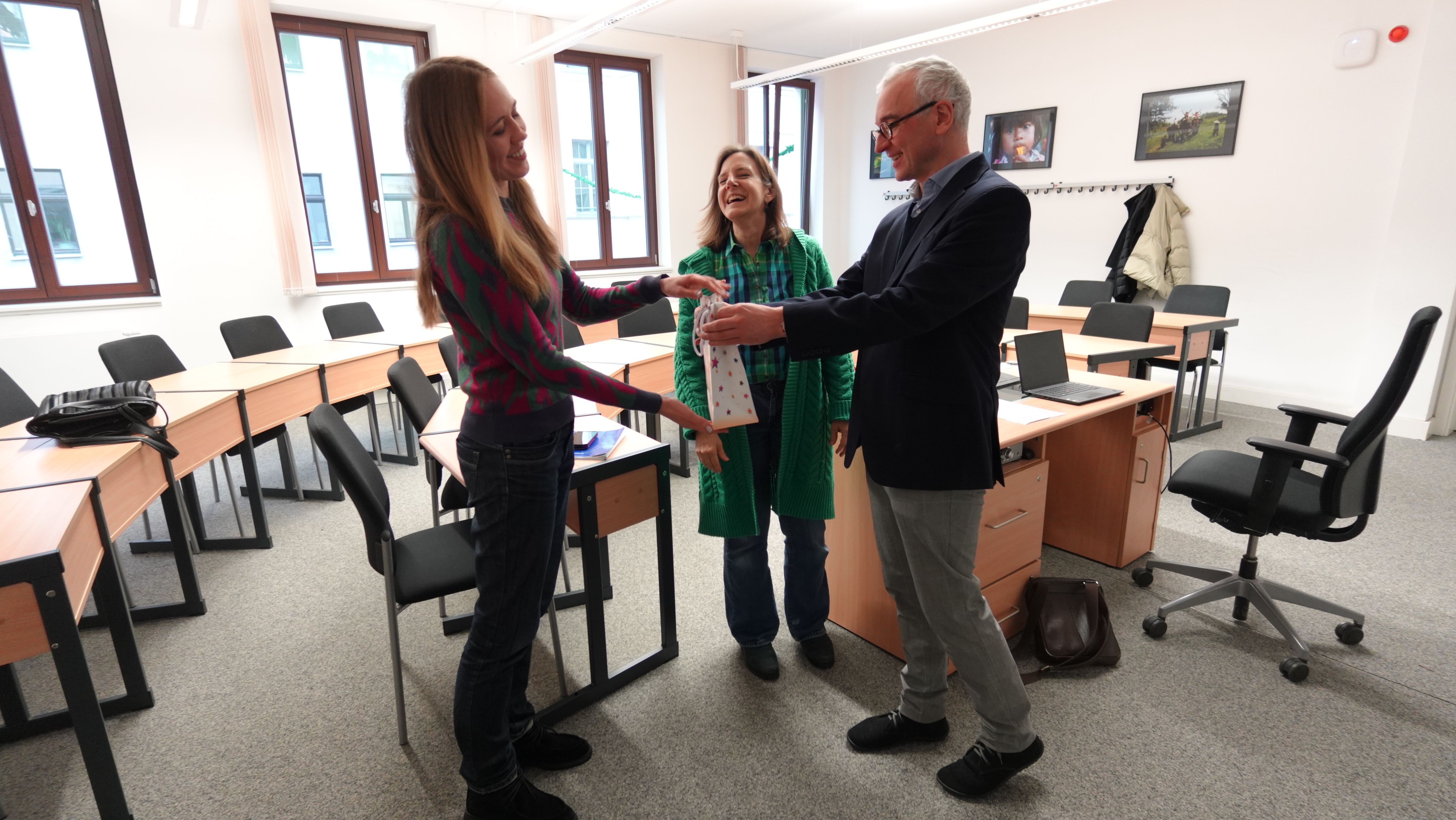
In December 2024, we organized a staff week with our Ukrainian partners and colleagues. This week, workshops on microcredentials were held and project ideas were discussed. It was also a wonderful opportunity for the twin teams to meet and plan their joint projects.
Downloads
You are welcome to download:
Infosheet for EdUp project and activities
Teacher Twinning Infosheet for young researchers and PhD candidates,
EdUp Project Poster
Teacher Twinning Poster